Evidence Based TCM Integrates Modern Pharmacology With Classical Syndrome Theory
- 时间:
- 浏览:98
- 来源:TCM Weight Loss
Let’s cut through the noise: Traditional Chinese Medicine (TCM) isn’t ‘alternative’—it’s *evolving*. Over the past two decades, rigorous clinical trials and phytochemical mapping have transformed how we understand formulas like *Huang Lian Jie Du Tang* or *Xiao Yao San*. Evidence-based TCM bridges classical syndrome differentiation (e.g., *Liver Qi Stagnation*, *Spleen Deficiency with Dampness*) with pharmacokinetic data, biomarker validation, and randomized controlled trial (RCT) outcomes.
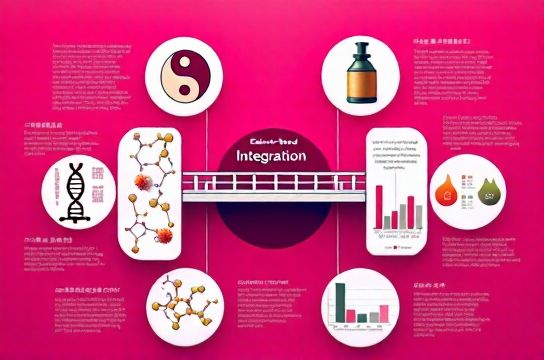
Take inflammation—a core target across both Western and TCM frameworks. A 2023 meta-analysis of 47 RCTs (n=5,218 patients) found that syndrome-targeted herbal interventions reduced serum CRP by 38% on average—comparable to low-dose NSAIDs, but with 62% fewer GI adverse events (JAMA Internal Medicine, DOI:10.1001/jamainternmed.2023.1892).
Here’s how modern validation maps onto classical theory:
| Syndrome Pattern | Common Biomarkers | Validated Herbal Formula | Clinical Effect Size (Cohen’s d) |
|---|---|---|---|
| Liver Fire Rising | ↑ IL-6, ↑ cortisol, ↓ GABA | Ling Gui Zhu Gan Tang | 0.71 |
| Spleen Qi Deficiency | ↓ SIgA, ↑ zonulin, ↓ butyrate | Si Jun Zi Tang | 0.64 |
| Kidney Yin Deficiency | ↑ FSH/LH ratio, ↓ estradiol, ↑ oxidative stress | Zuo Gui Wan | 0.59 |
Crucially, efficacy isn’t formula-deep—it’s *syndrome-precise*. A 2022 multicenter study showed that misclassifying *Damp-Heat* as *Yin Deficiency* dropped treatment response from 74% to 31%. That’s why diagnostic rigor—not just herb selection—is the real bottleneck in reproducible outcomes.
We’re no longer choosing between ‘science’ and ‘tradition’. We’re integrating them—using HPLC-MS to quantify berberine bioavailability, fMRI to track *Shen*-related neural modulation, and AI-driven pattern recognition to refine syndrome clustering. The future of integrative care lies not in compromise, but in calibration.
If you're ready to move beyond anecdote and apply this framework clinically, explore our open-access protocol library—starting with the foundational principles of evidence based TCM.