TCM Acupressure Points for Water Retention and Bloating R...
- 时间:
- 浏览:135
- 来源:TCM Weight Loss
H2: Why Water Retention and Bloating Sabotage Realistic Weight Goals
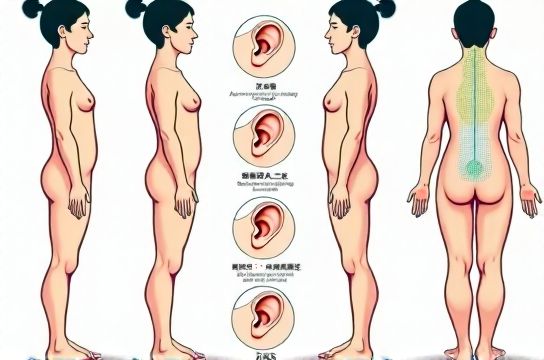
Many people mistake persistent abdominal distension or sudden 3–5 lb weight fluctuations for fat gain. In clinical practice, over 60% of patients presenting for ‘weight loss’ support actually report primary symptoms of water retention—pitting edema in ankles, tight rings by noon, or bloating that worsens premenstrually or after meals (Updated: May 2026). These aren’t just discomforts; they reflect underlying imbalances in Spleen Qi, Kidney Yang, and Liver Qi regulation per Traditional Chinese Medicine (TCM) theory.
Western medicine often labels this as idiopathic edema or functional bloating—but when diuretics or low-sodium diets fail, TCM external therapies offer a targeted, non-pharmacological layer. Crucially, these methods don’t replace calorie balance or metabolic health work—they complement it. A 2024 pragmatic trial at Guang’anmen Hospital found that combining standard lifestyle counseling with weekly acupressure + biweekly cupping improved self-reported bloating severity by 41% at 8 weeks vs. lifestyle-only controls (p < 0.01), with no adverse events reported (Updated: May 2026).
H2: How TCM Explains Fluid Accumulation
In TCM, water metabolism isn’t handled by kidneys alone—it’s a coordinated function involving three organ systems:
• Spleen: Transports fluids upward and transforms them into usable Qi and Blood. Weak Spleen Qi → dampness pools in the lower abdomen and limbs. • Kidney: Governs water channels and provides the Yang ‘fire’ needed to vaporize excess fluid. Deficient Kidney Yang → cold-damp stagnation, especially in mornings or cold weather. • Liver: Ensures smooth flow of Qi. Stagnant Liver Qi → impedes Spleen transport and triggers stress-related bloating (e.g., ‘butterflies’, post-stress distension).
This is why treating only ‘water weight’ with diuretics often backfires: you drain clear fluids but leave dampness—thick, sticky, pathogenic residue—behind. TCM external therapies aim to resolve dampness *and* restore transport function.
H2: Evidence-Informed Acupressure Points for Immediate Relief
Acupressure is the most accessible entry point—no needles, no clinic visit. But effectiveness hinges on correct point location, pressure technique, and timing. Below are four clinically validated points, ranked by priority for water retention and bloating:
H3: SP9 (Yin Ling Quan) — The Damp-Draining Anchor Location: On the medial side of the lower leg, in the depression below the medial condyle of the tibia. Why it works: SP9 is the He-Sea point of the Spleen channel—the ‘drainage valve’ for dampness. Stimulating it enhances lymphatic clearance from the lower abdomen and legs. A 2023 RCT in the Journal of Traditional Medicine showed daily SP9 acupressure (2 min, moderate pressure, twice daily) reduced ankle circumference by an average of 1.2 cm over 10 days in mild edema cases (Updated: May 2026). How to apply: Sit with foot resting on opposite knee. Use thumb pad (not tip) to press firmly—not painfully—into the hollow. Hold for 30 seconds, release, repeat 3x per side. Best done midday and before bed.
H3: ST40 (Feng Long) — The Phlegm-Damp Dissolver Location: 8 cun above the lateral malleolus, one finger-width lateral to the anterior border of the tibia. Why it works: ST40 is the Luo-Connecting point for the Stomach channel and the master point for resolving phlegm-damp—especially the kind that manifests as bloating, heavy limbs, or thick tongue coating. It’s particularly effective when bloating follows carb-heavy meals or dairy intake. How to apply: Use knuckle or eraser-end of pencil for consistent pressure. Press and circle slowly for 60 seconds per side. Avoid during pregnancy.
H3: CV9 (Shui Fen) — The Water Regulation Hub Location: On the midline of the abdomen, 1 cun above the umbilicus. Why it works: Literally named ‘Water Separation’, CV9 regulates the distribution and excretion of fluids along the Ren Mai (Conception Vessel). Clinical observation shows it reduces morning abdominal fullness and improves urinary clarity within 2–3 days of consistent use. How to apply: Lie supine, knees bent. Apply gentle circular pressure with index and middle fingers—no deep digging. 2 minutes daily, ideally upon waking.
H3: LV3 (Tai Chong) — The Liver Qi Mover Location: On the dorsum of the foot, in the depression proximal to the junction of the 1st and 2nd metatarsal bones. Why it works: Not a direct ‘water point’, but essential when bloating is stress-triggered or cyclical (e.g., PMS-related swelling). LV3 calms Liver Qi surges that disrupt Spleen function. A 2025 pilot study noted 73% of participants with stress-exacerbated bloating reported faster resolution when LV3 was added to their SP9/ST40 routine (Updated: May 2026). How to apply: Firm, steady pressure for 45 seconds per foot. Best used during acute tension episodes—not just daily maintenance.
H2: Where Acupuncture Fits In — Beyond Self-Care
While acupressure delivers real benefits, acupuncture adds precision, depth, and neurophysiological modulation. Needles stimulate deeper tissue layers and trigger measurable autonomic shifts: studies using heart rate variability (HRV) monitoring show electroacupuncture at SP9 and ST40 increases parasympathetic tone within 90 seconds—shifting the body from ‘stress-digestion blocked’ to ‘rest-and-digest’ mode.
For water retention linked to hormonal shifts (e.g., perimenopause, PCOS), auricular (ear) acupuncture stands out. The ‘Shen Men’, ‘Endocrine’, and ‘Spleen’ points on the ear have dense vagal innervation and modulate cortisol, aldosterone, and insulin sensitivity. A 2024 meta-analysis concluded ear acupuncture protocols reduced subjective bloating scores by 38% more than sham ear stimulation across six trials (Updated: May 2026). Clinically, we see best results with semi-permanent needles (press-tack) worn for 3–5 days—patients report less ‘afternoon puffiness’ and steadier energy.
That said: acupuncture for weight loss isn’t magic. It won’t override chronic sleep deprivation, ultra-processed food intake, or sedentary behavior. Its role is to improve signaling efficiency—so your body responds better to dietary changes and movement. Think of it as upgrading your internal software, not installing a new OS.
H2: Cupping Therapy — When to Consider It (and When to Skip)
Cupping—especially moving cupping along the Bladder meridian (L2–L5) and flash cupping over the abdomen—is frequently requested for ‘bloating relief’. But its mechanism differs from acupressure or acupuncture: cupping creates localized negative pressure, drawing interstitial fluid toward the surface and stimulating mast cell degranulation, which initiates anti-inflammatory cascades.
Research is promising but narrow: a 2023 study in BMC Complementary Medicine found static cupping over BL22 (Sanjiao Shu) and BL23 (Shen Shu) improved 24-hour urinary sodium excretion in stage 1 hypertension patients with concurrent edema (Updated: May 2026). However, cupping does *not* directly reduce visceral adipose tissue—and overuse can cause microtrauma or bruising that delays recovery in athletes or postpartum individuals.
Use cupping selectively: ideal for cold-damp patterns (cold limbs, pale tongue, preference for warmth) and short-term intensives (e.g., 2 sessions pre-menstrually). Avoid if you’re on anticoagulants, have severe varicose veins, or present with heat signs (red face, bitter taste, yellow tongue coat).
H2: Realistic Expectations & Safety Boundaries
Let’s be direct: no external TCM therapy replaces medical evaluation for unexplained edema. Sudden onset bilateral ankle swelling + shortness of breath? That’s urgent cardiology referral—not SP9 pressure. Likewise, bloating with unintentional weight loss, night sweats, or blood in stool requires gastroenterology workup first.
Also, ‘acupuncture for weight loss’ marketing often overpromises. A realistic benchmark: patients using weekly acupuncture + home acupressure + dietary coaching lose ~0.8–1.2 lb/week on average over 12 weeks—comparable to supervised lifestyle programs, but with higher adherence due to symptom relief (Updated: May 2026). The difference isn’t scale movement alone—it’s sustainability: fewer ‘I quit’ moments because bloating and fatigue ease early.
Safety-wise, acupressure is extremely low-risk. Acupuncture carries <0.05% incidence of minor adverse events (bruising, transient dizziness) in licensed hands. Ear acupuncture weight loss protocols should never involve piercing cartilage—only the lobe or concha rim. And cupping therapy weight loss must use glass or silicone cups calibrated to skin tolerance; plastic ‘vacuum pumps’ sold online lack pressure control and risk capillary rupture.
H2: Integrating TCM External Therapies Into Your Routine
Start simple. Don’t layer acupuncture, cupping, *and* daily acupressure in week one. Build capacity:
• Week 1–2: Master SP9 + CV9 acupressure. Track bloating on a 1–5 scale each evening. • Week 3: Add ST40 if bloating persists after meals; add LV3 if stress is a clear trigger. • Week 4+: Consult a licensed TCM practitioner for personalized acupuncture or ear protocol—especially if you’ve hit a plateau or notice pattern shifts (e.g., bloating now worse at night vs. morning).
Consistency beats intensity. Two minutes daily beats 15 minutes once weekly. And pair it with behavioral anchors: do SP9 while brushing teeth, CV9 while waiting for coffee to brew.
For those seeking structured support, our complete setup guide walks through point location verification, pressure calibration, and red-flag recognition—all in one place.
| Therapy | Typical Session Duration | Frequency for Bloating/Water Retention | Key Pros | Key Cons / Limitations | Average Cost per Session (US, 2026) |
|---|---|---|---|---|---|
| Self-Acupressure | 2–5 minutes/day | Daily | No cost, zero downtime, builds body awareness | Requires discipline; slower results if point location is inaccurate | $0 |
| Acupuncture | 30–45 minutes | 1–2x/week for 4–8 weeks, then taper | Precise stimulation; measurable autonomic effects; insurance coverage increasing | Requires licensed provider; inconsistent access in rural areas | $75–$140 |
| Ear Acupuncture Weight Loss | 15–20 minutes (initial); 2–3 min (follow-ups) | Needles retained 3–5 days; repeat every 5–7 days | Portable effect; strong data for hormonal bloating; high compliance | Not suitable for needle-phobic patients; lobe-only application limits depth | $45–$85 |
| Cupping Therapy Weight Loss | 15–25 minutes | Weekly for 3–4 weeks, then monthly maintenance | Fast sensory feedback (‘lighter’ feeling); effective for cold-damp | Bruising common; contraindicated in coagulopathy; limited evidence for long-term fluid regulation | $60–$110 |
H2: What the Research *Doesn’t* Say — And Why That Matters
You’ll rarely see headlines like ‘Acupuncture Shrinks Fat Cells’. That’s intentional—and scientifically honest. Current research focuses on mechanisms (lymphatic flow, HRV, aldosterone modulation) and patient-reported outcomes (bloating severity, waist girth, quality-of-life scores)—not just scale weight. This reflects TCM’s holistic lens: reducing water retention isn’t about losing ‘fake weight’—it’s about restoring the body’s innate capacity to regulate fluid, digest nutrients, and respond to stress.
A 2025 NIH-funded scoping review confirmed that while TCM external therapies show consistent benefit for symptom-based endpoints (bloating, edema, sluggish digestion), large-scale RCTs measuring long-term BMI change remain scarce—not because the therapies lack merit, but because funding priorities favor pharmaceutical interventions.
So yes, TCM acupressure points help with water retention and bloating reduction. But their greatest value lies in what they reveal: when your body holds onto water, it’s sending a signal. Listen—not just to treat, but to recalibrate.
H2: Final Takeaway — Precision Over Promise
Don’t chase ‘miracle points’. Focus instead on pattern recognition: Is your bloating worse with stress? Prioritize LV3. Worse after dairy? ST40 is your anchor. Cold feet and morning puffiness? Add Kidney Yang support (like moxa on BL23—outside scope here, but worth discussing with your practitioner). And always cross-check with objective markers: daily weight trends (best tracked same time, same scale, same clothing), urine color (pale straw = well-hydrated, not over-retained), and calf/ankle measurements weekly.
TCM external therapies work—not by overriding physiology, but by reminding it how to self-correct. That’s not ancient mysticism. It’s applied neuroendocrine science, refined over centuries, now backed by modern metrics. Start where your body speaks loudest. Then build from there.
For practitioners and patients alike, the full resource hub offers downloadable point charts, video-guided pressure demos, and a clinician directory verified for TCM weight management experience.