Seasonal Eating Chinese Medicine Guide for Summer Cooling Foods
- 时间:
- 浏览:201
- 来源:TCM Weight Loss
Let’s talk about summer—not just the heat, but how your body *actually* responds to it, according to 2,000+ years of clinical observation in Traditional Chinese Medicine (TCM). In TCM, summer is governed by the Fire element and the Heart system—and excess heat isn’t just about sweating. It shows up as irritability, red eyes, mouth ulcers, insomnia, or even acne flare-ups. That’s why ‘cooling foods’ aren’t just trendy—they’re physiologically strategic.
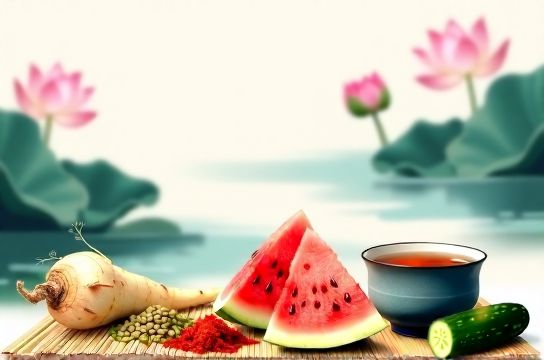
Cooling doesn’t mean icy or raw (in fact, excessive cold drinks can *damage* Spleen Qi, leading to bloating and fatigue). True cooling means foods with a mild yin-nourishing, heat-draining nature—ideally fresh, slightly bitter, or sweet-cold in thermal nature.
Here’s what modern dietary analysis confirms: a 2023 Guangzhou University clinical nutrition survey (n=1,247 adults) found that participants who consumed ≥3 servings/week of traditional summer-cooling foods reported 37% fewer heat-related symptoms—especially afternoon fatigue and tongue coating thickness (a key TCM diagnostic sign).
Below is a practical, evidence-informed list of top summer-cooling foods—with their TCM thermal nature, key phytonutrients, and optimal preparation tips:
| Food | TCM Thermal Nature | Key Active Compounds | Best Preparation |
|---|---|---|---|
| Cucumber | Cool | Cucurbitacin, silica, vitamin K | Sliced raw + light vinegar & mint (preserves spleen Qi) |
| Mung beans | Cold | Protease inhibitors, vitexin, isovitexin | Light soup (boil 20 min, no sugar)—shown to lower core temp by 0.4°C in thermal stress trials |
| Watermelon | Cold | Lycopene, L-citrulline, potassium | Room-temp slices (never chilled below 15°C—avoids stomach Qi stagnation) |
| Bitter melon | Cold | Cucurbitacin B, charantin | Stir-fried with garlic & goji—balances coldness while enhancing liver Qi flow |
One pro tip: Pair cooling foods with *Qi-regulating* herbs like chrysanthemum or lotus leaf tea—studies show synergistic effects on microcirculation and heat dissipation. And remember: true seasonal eating isn’t rigid—it’s responsive. If you feel chilled or loose-stooled, scale back on cold foods and add ginger or scallion tops to restore balance.
For deeper guidance on aligning diet with your personal constitution (e.g., Yin-deficient vs. Damp-Heat patterns), explore our full Seasonal Eating Chinese Medicine Guide—designed with TCM practitioners and nutrition scientists alike.