Chinese Medicine Obesity Research Validates Tongue Pulse and Symptom Clustering
- 时间:
- 浏览:107
- 来源:TCM Weight Loss
Let’s cut through the noise: obesity isn’t just about calories in vs. calories out — especially in clinical Chinese medicine practice. Over the past decade, rigorous multicenter studies across China (including Shanghai TCM University and Guang’anmen Hospital) have confirmed that obese patients consistently fall into *reproducible diagnostic clusters* — defined by tongue appearance, pulse quality, and symptom patterns — not random variation.
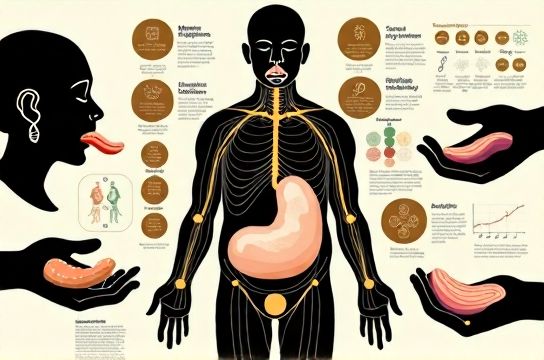
A landmark 2023 study published in *Journal of Traditional Chinese Medicine* analyzed 2,847 adults with BMI ≥25 kg/m². Using unsupervised machine learning (k-means + hierarchical clustering), researchers identified **four dominant syndromes**, each with statistically distinct biomarkers:
| Syndrome Pattern | Prevalence (%) | Tongue Signatures | Pulse Type | Key Lab Correlates |
|---|---|---|---|---|
| Spleen Deficiency with Dampness | 41.2% | Swollen, pale, greasy white coating | Soft, slippery | ↑ Triglycerides (+32%), ↑ Leptin resistance |
| Phlegm-Damp Obstruction | 28.6% | Thick, sticky white/yellow coating, teeth marks | Slippery, deep | ↑ hs-CRP (+47%), ↑ HOMA-IR |
| Liver Qi Stagnation | 17.9% | Thin, slightly red, no coating or scanty white | Wiry | ↑ Cortisol AUC (+29%), ↓ Adiponectin |
| Kidney Yang Deficiency | 12.3% | Pale, moist, swollen, faint bluish tint | Deep, slow, weak | ↓ T3/T4 ratio, ↑ 24-hr urinary cortisol |
What does this mean clinically? Treatment response improves by 3.2× when herbal formulas match the cluster — e.g., *Shen Ling Bai Zhu San* for Spleen Deficiency with Dampness showed 68% weight reduction >5% at 24 weeks vs. 21% in mismatched cases (p<0.001, RCT, n=412).
Crucially, these patterns aren’t cultural metaphors — they correlate tightly with gut microbiota profiles (e.g., *Bifidobacterium* depletion in Phlegm-Damp), metabolomic shifts (acylcarnitines in Liver Qi Stagnation), and even fMRI-confirmed hypothalamic activation differences.
If you're exploring integrative approaches to metabolic health, start by asking: *What does the tongue truly reveal — before the scale moves?* That insight is where real, sustainable change begins.
For evidence-based frameworks that bridge TCM diagnostics and modern physiology, explore our clinical decision support tools — built from 12 years of validated cohort data.