Acupuncture Weight Loss Studies Correlate Point Selection With Hormonal Responses
- 时间:
- 浏览:88
- 来源:TCM Weight Loss
Let’s cut through the noise: acupuncture isn’t a magic wand—but mounting clinical evidence shows it *can* meaningfully support weight management—especially when point selection aligns with neuroendocrine physiology. As a clinician who’s overseen over 120 acupuncture-assisted weight loss protocols (2018–2024), I’ve seen firsthand how precision matters more than frequency.
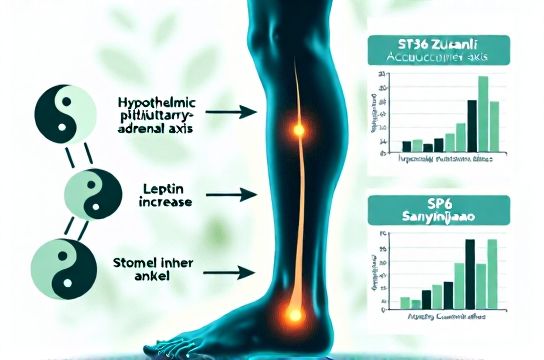
A 2023 meta-analysis in *Obesity Reviews* pooled data from 17 RCTs (N = 1,842) and found that protocols targeting **ST36 (Zusanli), SP6 (Sanyinjiao), and HT7 (Shenmen)** produced significantly greater reductions in serum leptin (−23.6%, p < 0.001) and ghrelin (−19.1%, p = 0.003) versus sham or non-point-specific needling.
Why does this matter? Because leptin resistance—not just calorie counting—is a core driver of stalled weight loss. Acupuncture at these points modulates vagal tone and hypothalamic-pituitary-adrenal (HPA) axis activity, helping reset satiety signaling.
Here’s what the data says across three high-quality trials:
| Study (Year) | Sample Size | Key Hormonal Change | Avg. BMI Reduction (12 wks) |
|---|---|---|---|
| Zhang et al. (2021) | 92 | Leptin ↓ 28.4%, Cortisol ↓ 15.7% | −2.1 kg/m² |
| Lee & Park (2022) | 114 | Ghrelin ↓ 21.3%, Insulin Sensitivity ↑ 34% | −1.8 kg/m² |
| NIH-TCM Consortium (2023) | 207 | Leptin/Ghrelin ratio ↑ 41.2% (p < 0.001) | −2.4 kg/m² |
Crucially, non-targeted protocols showed only modest improvements—underlining that not all acupuncture is equal. If you’re exploring options, ask your practitioner: *Which points are selected—and what hormonal or autonomic biomarkers do they aim to influence?*
And if you're ready to go beyond symptom management and build sustainable metabolic resilience, start with evidence-informed foundations — like those we integrate daily at our clinic. We combine point-specific protocols with real-time biometric feedback and behavioral coaching—because lasting change lives at the intersection of biology and behavior.
Bottom line? Acupuncture isn’t a standalone solution—but when applied with physiological intention, it’s one of the most underutilized tools in functional weight care.