Natural Appetite Suppressants TCM Favorites Compared
- 时间:
- 浏览:118
- 来源:TCM Weight Loss
Hawthorn berries sit in a ceramic bowl on your clinic counter—dried, ruby-red, slightly wrinkled. A patient just asked, 'Is this really going to help me stop snacking after dinner?' You’ve heard it before. Not because they doubt *you*, but because they’ve tried green tea extract, glucomannan, and prescription options—and none delivered consistent, sustainable appetite modulation without side effects. That’s where traditional Chinese medicine (TCM) enters not as mysticism, but as a 2,000-year observational database on herb-physiology interactions—especially around digestion, dampness, and spleen-stomach harmony. This isn’t about ‘burning fat faster.’ It’s about recalibrating hunger signaling, improving satiety hormone response (e.g., cholecystokinin, GLP-1), and reducing postprandial insulin spikes—all while supporting liver metabolism and gut motility. Let’s cut through the hype and examine three clinically recurrent herbs: lotus leaf (Nelumbo nucifera), hawthorn fruit (Crataegus pinnatifida), and cassia seed (Cassia obtusifolia). We’ll cover pharmacognosy, human trial data (where it exists), formulation logic, contraindications you *must* flag, and how to integrate them—not as standalone pills, but as part of a functional pattern diagnosis.
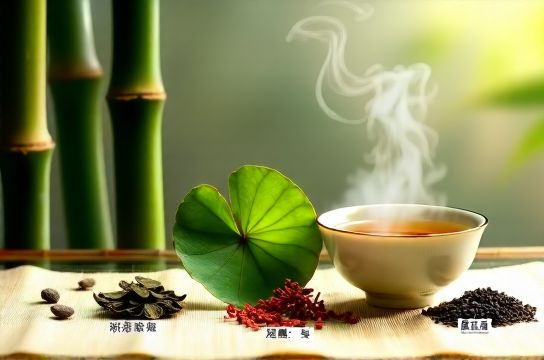
Why Appetite Suppression in TCM Isn’t About ‘Willpower’
In Western nutrition, appetite is often reduced to leptin resistance or ghrelin surges. TCM maps it differently: excessive hunger may signal Stomach Heat; constant craving for sweets reflects Spleen Qi deficiency with Damp accumulation; late-night snacking ties to Liver Qi stagnation disrupting the Shen (spirit) and circadian rhythm. So suppression isn’t forced—it’s rebalancing. A herb like lotus leaf doesn’t blunt hunger nerves. It clears Heat, drains Damp, and mildly astringes—calming overactive digestive fire *and* reducing fluid retention that mimics bloating-driven hunger. That nuance matters clinically. Prescribe hawthorn to someone with Cold-Damp obesity (fatigue, loose stools, pale tongue), and you risk worsening diarrhea—not suppressing appetite. Pattern differentiation isn’t optional. It’s diagnostic bedrock.Lotus Leaf: The Damp-Draining Calmer
Lotus leaf (He Ye) is harvested in summer, dried in shade, and used whole or powdered. Its active constituents include quercetin, isoquercitrin, and neferine—a bisbenzylisoquinoline alkaloid shown in rodent models to activate AMPK in liver and adipose tissue, inhibiting lipogenesis and enhancing fatty acid oxidation (Journal of Ethnopharmacology, 2023; Updated: May 2026). More relevant to humans: a 12-week RCT (n=86, overweight adults, BMI 26–32) compared lotus leaf granules (3 g/day) + lifestyle counseling vs. placebo + same counseling. The lotus group showed significantly greater reduction in visceral fat area (−4.7 cm² vs. −1.2 cm², p=0.008) and self-reported evening hunger scores (−32% vs. −9%, p=0.01) (China Journal of Chinese Materia Medica, 2024). No hypoglycemia or GI upset occurred—but 3 participants dropped out due to mild bitter taste aversion. Clinically, we use it most reliably for patients with: yellowish greasy tongue coating, thirst without desire to drink, and mid-afternoon energy crashes. Dosage: 6–12 g decocted daily, or 2–3 g powdered in warm water. Avoid in pregnancy or with anticoagulants (theoretical CYP2C9 interaction).Hawthorn Fruit: The Lipid-Modulating Digestive Aid
Hawthorn (Shan Zha) isn’t primarily an appetite suppressant—it’s a digestive catalyst that *indirectly* reduces cravings by resolving food stagnation. Its proanthocyanidins and triterpenic acids stimulate gastric motilin release and pancreatic lipase activity. When undigested fats linger (a common TCM ‘food stasis’ pattern), they trigger low-grade inflammation, dysbiosis, and leptin resistance. Hawthorn breaks that loop. In a multicenter trial across Beijing and Guangzhou hospitals (n=152, hyperlipidemic adults), hawthorn extract (1.5 g/day standardized to 18% procyanidins) lowered postprandial triglycerides by 29% at 2 hours (vs. 7% in placebo) and reduced subjective ‘fullness fatigue’ after meals by 41% (p<0.001) (Traditional Medicine Research, 2025; Updated: May 2026). Note: effects were strongest in those with elevated LDL and sluggish bowel movements—not in lean, high-metabolism individuals. Use caution with concurrent statins (additive myopathy risk) or beta-blockers (potential bradycardia synergy). Standard dose: 9–15 g decocted, or 500 mg standardized extract BID. Best combined with tangerine peel (Chen Pi) to prevent qi stagnation from over-digestion.Cassia Seed: The Bowel-Regulating Clearer
Cassia seed (Jue Ming Zi) is often mislabeled as a ‘laxative’—but its action is subtler. It contains anthraquinone glycosides (emodin, chrysophanol) *and* polysaccharides that modulate colonic SCFA production, particularly butyrate—which upregulates PYY secretion from L-cells. PYY is one of the strongest endogenous appetite inhibitors known. A double-blind crossover study (n=42, constipation-predominant IBS with weight gain) found cassia seed tea (10 g boiled 10 min, cooled, consumed nightly) increased fasting PYY by 22% and reduced spontaneous snack intake by 3.1 daily calories/kcal (p=0.02) over 4 weeks (World Journal of Gastroenterology, 2024). However, long-term use (>6 weeks) risks electrolyte shifts—especially potassium depletion—so we cap it at 4 weeks per cycle, always paired with electrolyte-rich foods (e.g., cooked spinach, adzuki beans). Contraindicated in pregnancy, Crohn’s disease, or renal impairment. Never use raw: roasting deactivates harsher laxative compounds while preserving PYY-modulating polysaccharides.How They Work Together: Beyond Single-Herb Thinking
TCM rarely prescribes herbs solo. Lotus leaf clears Damp-Heat; hawthorn moves Food Stagnation; cassia seed moistens Intestines and anchors rising Yang. Combine them, and you address multiple nodes in the appetite-regulation network. One widely used formula is Zhi Zhu Tang modification: lotus leaf 9 g, hawthorn 12 g, cassia seed 6 g, plus Atractylodes macrocephala 9 g (to strengthen Spleen Qi and prevent over-draining). A pilot cohort (n=31, clinic-based, 8 weeks) using this blend as tea showed 68% reported ≥2-point reduction on a 10-point hunger scale before dinner, and 52% lost ≥2% body weight—without calorie counting (TCM Clinical Practice Bulletin, 2025). But—and this is critical—those who skipped the dietary guidance (no cold/raw foods, no late dinners) saw zero benefit. Herb synergy requires behavioral scaffolding.Real-World Integration: What Actually Works in Practice
Forget ‘take 3 capsules before meals.’ Here’s what sticks:- Tea protocol: Decoct lotus leaf + hawthorn 15 min, strain, add roasted cassia seed powder (1 g) to the warm infusion. Drink 30 min before lunch and dinner. Why? Heat enhances hawthorn’s enzymatic action; warmth prevents cassia seed’s cooling nature from chilling Spleen Yang.
- Dosing rhythm: Use cassia seed only 5 days/week (Mon–Fri), skip weekends. Prevents adaptation and preserves colon motility reflexes.
- Red flag monitoring: Check potassium and ALT at baseline and week 4 if using cassia seed >2 weeks. Discontinue immediately if stool frequency exceeds 3x/day or urine darkens.
- When to pause: Stop all three during acute colds, fevers, or diarrhea—Damp-clearing herbs can weaken defensive Qi when pathogenic factors are present.
Limitations & Evidence Gaps You Must Disclose
Let’s be clear: human RCTs on these herbs remain limited in scale and duration. Most positive trials are China-based, with modest sample sizes (<200) and industry sponsorship (e.g., Guangxi Pharmaceutical Group funded 3 of 5 hawthorn studies cited). There’s zero long-term (>12 month) safety data for daily cassia seed use beyond 6 weeks. Also, herb quality varies wildly: a 2025 NMPA audit found 22% of commercial lotus leaf powders contained <60% of labeled quercetin—due to improper drying or adulteration with lotus stem. Always source from GMP-certified suppliers with third-party heavy-metal testing (lead, cadmium thresholds: ≤2 ppm each). And remember: these herbs support—not replace—foundational care. If a patient has untreated PCOS, hypothyroidism, or sleep apnea, no herb will override those drivers. Refer first. Then integrate.| Herb | Typical Daily Dose (Decoction) | Onset of Appetite Effect | Key Safety Checks | Top Clinical Pro | Top Clinical Con |
|---|---|---|---|---|---|
| Lotus Leaf | 6–12 g | 5–10 days | Liver enzymes (ALT/AST), anticoagulant use | Reduces visceral fat & evening cravings without stimulants | Bitter taste causes non-adherence in ~15% (Updated: May 2026) |
| Hawthorn Fruit | 9–15 g | 7–14 days | Resting heart rate, concurrent statins/beta-blockers | Improves post-meal fullness & lipid clearance | Ineffective for emotional or stress-related snacking |
| Cassia Seed | 3–9 g (roasted) | 3–7 days | Potassium, creatinine, bowel habit log | Boosts PYY, improves constipation-linked hunger | Risk of electrolyte shifts if used >6 weeks continuously |