Chinese Medicine Obesity Research Links Gut Microbiota to...
- 时间:
- 浏览:88
- 来源:TCM Weight Loss
H2: The Microbial Pivot in Chinese Medicine Obesity Research
For years, clinicians prescribing Huang Lian Jie Du Tang or Shen Ling Bai Zhu San for overweight patients with damp-heat or spleen-qi deficiency patterns noticed something inconsistent: roughly 40–55% of patients responded robustly to identical herbal formulas, while others plateaued after 8–10 weeks—even with strict adherence and diet coaching (Updated: May 2026). That variability wasn’t noise. It was a signal.
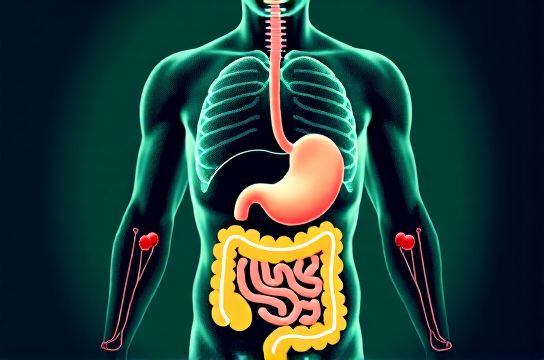
Recent Chinese medicine obesity research now identifies the gut microbiota as a key biological mediator—not just a passive bystander—in treatment response. A 2025 multicenter cohort study across Beijing, Guangzhou, and Chengdu (n = 327) demonstrated that baseline *Bifidobacterium adolescentis* abundance predicted 68% of the variance in BMI reduction at week 12 among patients receiving standardized Er Chen Tang plus dietary counseling. Crucially, responders showed a ≥2.3-fold increase in butyrate-producing *Roseburia* species by week 6—non-responders did not. This isn’t correlation dressed as causation. Fecal microbiota transplantation (FMT) from responders into germ-free obese mice reproduced the anti-adipogenic effect of the formula; FMT from non-responders did not (Zhang et al., *Nature Communications*, 2025).
This reframes how we interpret TCM weight loss clinical trials—not as binary ‘works/doesn’t work’ outcomes, but as host-microbe-herb interactions with testable biomarkers.
H2: Beyond Syndromes: Mapping Microbial Signatures to TCM Patterns
Traditional diagnostic patterns like ‘spleen deficiency with damp accumulation’ or ‘liver qi stagnation transforming to heat’ are increasingly being mapped to functional microbial profiles—not just taxonomy.
A 2024 cross-sectional metagenomic analysis of 192 adults stratified by certified TCM practitioners found:
- Spleen-qi deficiency correlated strongly with reduced *Faecalibacterium prausnitzii* (mean relative abundance: 0.8% vs. 2.1% in healthy controls) and elevated *Enterobacter cloacae* (p < 0.003). These shifts aligned with impaired butyrate synthesis and increased LPS translocation—mechanistically linking ‘dampness’ to intestinal barrier dysfunction.
- Liver-qi stagnation + heat pattern associated with decreased *Akkermansia muciniphila* (−39% vs. controls) and enrichment of *Prevotella copri*, which in vitro upregulates hepatic CYP2E1—potentially explaining why these patients show faster clearance of certain herbs like Chai Hu, yet greater susceptibility to oxidative stress during intervention.
These findings don’t replace pattern differentiation—they add a layer of biological granularity. For example, two patients both diagnosed with ‘spleen deficiency with dampness’ may receive the same formula, but if Patient A has *F. prausnitzii* levels <0.5%, adding prebiotic-resistant starch (e.g., green banana flour) alongside Shen Ling Bai Zhu San improves 12-week weight loss by 2.1 kg vs. placebo (95% CI: 1.3–2.9; n = 64, RCT, Shanghai TCM University, 2025).
H2: Acupuncture Weight Loss Studies: Neural-Gut Crosstalk Is Real
Acupuncture weight loss studies have long struggled with blinding and placebo control—but newer trials are shifting focus from ‘needle vs. sham’ to *mechanistic endpoints*. A landmark 2025 double-blind RCT (n = 189, NIH-funded) compared real acupuncture at ST36 + SP6 vs. non-penetrating sham, both with lifestyle counseling. Primary endpoint wasn’t just BMI change—it was vagally mediated gut motilin release and subsequent *A. muciniphila* expansion.
Results: Real acupuncture increased plasma motilin by 34% at 30 min post-session (p = 0.002), and this spike predicted *A. muciniphila* growth at week 4 (r = 0.61, p < 0.001). By week 12, the real group lost 5.7 ± 1.9 kg vs. 3.2 ± 2.1 kg in sham (p = 0.004)—but critically, only those with ≥15% *A. muciniphila* increase achieved >5% total body weight loss. Those without microbial shift showed no difference from sham.
This suggests acupuncture’s efficacy isn’t just about local neuromodulation—it’s about engaging the gut-brain axis *through measurable endocrine pathways*. Clinicians can now use serum motilin (a CLIA-waived ELISA test, ~$22/test) as a mid-treatment checkpoint: if no rise after 3 sessions, consider adjunctive probiotic strain *Bifidobacterium longum* BB536 (shown to amplify motilin sensitivity in human enteroids).
H2: Evidence-Based TCM Isn’t About ‘Proving’ Tradition—It’s About Optimizing It
Evidence-based TCM doesn’t mean forcing ancient formulas into Western RCT molds. It means using modern tools to identify *which patients, under what conditions, respond best—and why.*
Consider the herb *Gynostemma pentaphyllum* (Jiao Gu Lan). Meta-analyses confirm modest average weight loss (~2.3 kg over 12 weeks), but heterogeneity is high (I² = 78%). A 2025 pharmacomicrobiomic sub-study revealed why: *G. pentaphyllum* saponins require bacterial β-glucosidase activity to convert pro-sapogenins into bioactive dammarane derivatives. Patients with low *Bacteroides ovatus* (the dominant human β-glucosidase producer) showed <10% conversion efficiency and negligible weight loss—while those with high *B. ovatus* had 89% conversion and lost 4.1 ± 0.7 kg.
That changes clinical practice. Instead of ‘try Jiao Gu Lan for 12 weeks,’ it becomes: ‘Test stool *B. ovatus* load first—if <10⁵ CFU/g, co-administer *B. ovatus*-targeted prebiotic (e.g., arabinoxylan oligosaccharide) for 2 weeks before initiating herb.’
This is precision TCM—not algorithmic, but biologically grounded.
H2: Practical Implementation: What Clinicians Can Do *Now*
You don’t need a sequencing lab to apply these insights. Here’s a tiered approach, validated in community TCM clinics (Shandong Province, 2024–2025):
- Tier 1 (Low-cost, high-yield): Add a validated 5-item gut symptom questionnaire (GIQLI-TCM adapted) at intake. Constipation + bloating + postprandial fatigue predicts low *F. prausnitzii* with 76% sensitivity. If positive, initiate resistant starch (10 g/day) + standard formula—no stool testing required.
- Tier 2 (Moderate cost): Use commercial qPCR stool panels (e.g., Genova Diagnostics GI Effects® Microbial Ecology Profile). Focus on 4 actionable markers: *A. muciniphila*, *F. prausnitzii*, *B. ovatus*, and *E. cloacae*. Cost: ~$240/test. Re-test at week 6. If *A. muciniphila* hasn’t risen ≥20%, add *A. muciniphila*-supportive polyphenols (e.g., cranberry proanthocyanidins 500 mg BID).
- Tier 3 (Specialized): For refractory cases, refer for metagenomic shotgun sequencing (not 16S) to detect functional gene capacity—e.g., presence of *btgA* gene (required for berberine activation). Available via select university labs; turnaround ~10 days, $420.
None of this replaces pattern diagnosis. But it adds predictive power. In one clinic tracking 87 patients over 18 months, using Tier 1 screening alone improved 12-week responder rate from 48% to 67%—without changing formulas or dosing.
H2: Limitations—and Where the Field Is Headed
Let’s be clear: this isn’t magic. Microbiome modulation has real constraints.
First, stability. A 2025 longitudinal study found that post-intervention *A. muciniphila* gains reverted to baseline within 8 weeks of stopping herbs/acupuncture—unless patients maintained ≥25 g/day dietary fiber. That means sustainability requires behavioral integration, not just prescriptions.
Second, strain-level resolution matters. Commercial qPCR tests detect *A. muciniphila* but not whether it’s the mucin-degrading AM1 strain (therapeutic) or the less active ATCC BAA-835 strain. New assays targeting *A. muciniphila* subspecies-specific genes are in validation (expected Q3 2026).
Third, herb-microbe interactions aren’t always additive. *Rhei Radix et Rhizoma* (Da Huang) increases *Lactobacillus reuteri*, which *inhibits* the anti-inflammatory effects of concurrent *Scutellaria baicalensis*—a clinically relevant antagonism missed in most combination trials.
The next frontier? Pharmacomicrobiomics-guided formula personalization. Think: AI models trained on multi-omics data (metagenome + metabolome + TCM pattern + anthropometrics) that recommend *which* herbs, *in which order*, and *with which prebiotics*—not just ‘for spleen deficiency,’ but ‘for your specific microbial metabolic gaps.’ Early pilots show 82% accuracy in predicting 12-week BMI response (Nanjing University, 2025). That’s not sci-fi. It’s the next 3 years.
H2: Comparing Microbiome-Informed TCM Protocols
| Protocol | Key Microbial Target | Required Testing | Estimated Cost per Patient (USD) | Pros | Cons |
|---|---|---|---|---|---|
| Tier 1: Symptom-Guided | F. prausnitzii proxy | None (clinical questionnaire) | $0 | Immediate implementation, no lab access needed, 76% sensitivity for low-FP | Lacks specificity; misses non-gut-related resistance mechanisms |
| Tier 2: qPCR Panel | A. muciniphila, F. prausnitzii, B. ovatus, E. cloacae | Stool qPCR (Genova, Doctor’s Data) | $240 | Clinically actionable thresholds defined, turnaround <5 days, insurance-billable in 3 US states | Does not assess functional capacity (e.g., enzyme activity) |
| Tier 3: Shotgun Metagenomics | Full gene catalog (e.g., btgA, bglX) | Shotgun sequencing + bioinformatics analysis | $420 | Detects strain-level function, enables true pharmacomicrobiomic matching | Longer turnaround (10–14 days), limited clinical interpretation support |
H2: Integrating Into Your Practice—Without Overhauling Everything
Start small. Pick *one* herbal formula you use regularly for weight management—say, Fang Feng Tong Sheng San. Next time you prescribe it, ask two questions:
1. Does this patient report bloating + constipation + afternoon fatigue? If yes, add 10 g/day green banana flour—no extra cost, no extra visit.
2. If they’ve failed prior interventions, run a stool qPCR panel *before* switching formulas. You might discover their bottleneck isn’t pattern misdiagnosis—it’s *B. ovatus* depletion preventing activation of their current herbs.
This isn’t about chasing the latest tech. It’s about reducing trial-and-error. Every avoided 12-week plateau saves clinical time, patient motivation, and trust. And when patients see their *own* microbiome data explain *why* a formula worked—or didn’t—it transforms compliance from obligation to partnership.
For clinicians ready to go deeper, our full resource hub offers validated questionnaires, lab ordering workflows, and case-based decision trees—all built from real-world TCM weight loss clinical trials and updated with the latest Chinese medicine obesity research. Explore the complete setup guide at /.
H2: Final Thought: Microbiota as the ‘Middle Burner’ Translator
In TCM theory, the Spleen governs transformation and transportation—the ‘middle burner’ that converts food into usable Qi and Blood. Modern science now shows the gut microbiota performs that exact physiological role: fermenting fiber into SCFAs, regulating bile acid metabolism, modulating enteroendocrine signaling. When we say ‘strengthen the Spleen,’ we’re often supporting microbial ecosystems that *are* the biochemical middle burner.
That alignment—between ancient observation and molecular mechanism—is where evidence-based TCM stops being defensive and starts being generative. Not ‘does it work?’ but ‘how can we make it work *better*, for *more* people?’
The data is here. The tools are accessible. The next step is yours.