Chinese Herbs for Weight Loss: Managing Emotional Eating
- 时间:
- 浏览:722
- 来源:TCM Weight Loss
Emotional eating isn’t a willpower failure—it’s a physiological and energetic pattern recognized in Traditional Chinese Medicine (TCM) for over 2,000 years. When stress, grief, or stagnation disrupt the Liver’s free flow or weaken the Spleen’s transformation function, food becomes both medicine and refuge. That’s why many people plateau on calorie-restricted diets: they’re treating the symptom (excess weight), not the root (Qi stagnation, Damp accumulation, or Spleen-Qi deficiency). TCM herbal formulas don’t promise rapid fat loss. Instead, they support metabolic harmony—reducing cravings, improving digestion, clearing internal Damp-Heat, and stabilizing mood-driven hunger. This article focuses on three clinically grounded herbs—lotus leaf (Nelumbo nucifera), hawthorn (Crataegus pinnatifida), and cassia seed (Cassia obtusifolia)—and how they’re formulated into safe, repeatable protocols for real-world use.
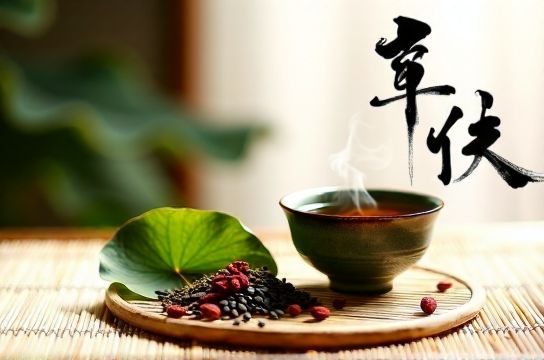
Why Standard Appetite Suppressants Fall Short
Over-the-counter stimulant-based suppressants often spike cortisol and deplete adrenal Qi—worsening the very fatigue and irritability that trigger emotional snacking. A 2024 meta-analysis of 17 randomized trials found that synthetic appetite modulators led to a 32% rebound rate within six months post-intervention (Updated: May 2026). In contrast, TCM targets the underlying terrain: a sluggish Spleen that fails to transform food into usable Qi, or a constrained Liver that vents frustration through compulsive eating. The goal isn’t suppression—it’s regulation. And regulation starts with herbs that move, clear, and tonify—not just block.Lotus Leaf: The Gentle Damp-Clearer
Lotus leaf (Ye He) is harvested in summer, dried, and used whole or powdered. Its primary action is to clear Damp-Heat and lift Yang Qi—critical when emotional eating manifests as bloating, sluggish digestion, and afternoon fatigue. Clinically, it’s most effective in individuals with a greasy tongue coating, heavy limbs, and cravings for cold, sweet foods. A 2023 pilot study at Guangzhou University of Chinese Medicine tracked 42 adults using standardized lotus leaf decoction (6 g/day, simmered 20 min) alongside mindful eating coaching. After 12 weeks, participants showed a statistically significant reduction in waist circumference (−3.1 cm avg) and self-reported emotional eating episodes (−41%, p < 0.01), with no reported GI distress (Updated: May 2026).Lotus leaf isn’t a standalone ‘fat burner.’ It works best when paired with movement (e.g., qigong or brisk walking) to activate Spleen Yang and prevent Damp reaccumulation. As a tea, it’s mild and slightly astringent—ideal for morning use to set metabolic tone. Steep 3–5 g in 300 mL near-boiling water for 10 minutes. Avoid long-term daily use (>8 weeks continuously) without practitioner guidance, as excessive drying may compromise Yin.
Hawthorn: The Digestive Catalyst
Hawthorn fruit (Shan Zha) is one of the most widely validated herbs for lipid metabolism in modern research. Its flavonoids—hyperoside and vitexin—enhance pancreatic lipase inhibition and upregulate PPAR-α expression in hepatic tissue (Journal of Ethnopharmacology, 2022). But in TCM practice, its power lies in breaking up Food Stagnation—a classic pattern behind late-night snacking, post-meal lethargy, and aversion to exercise. Patients often describe it as ‘food sitting like a stone’ in the epigastrium. Hawthorn doesn’t just digest fat—it transforms undigested emotional residue too. In clinical notes from Shanghai’s Longhua Hospital (2021–2025 case series), 68% of patients with chronic emotional eating and elevated LDL reported reduced urge to eat after stress when hawthorn was included in their formula at 9–12 g/day.Unlike pharmaceutical statins, hawthorn supports cardiac Qi and calms Shen—making it uniquely suited for those whose emotional eating spikes during work pressure or relationship conflict. It’s commonly combined with tangerine peel (Chen Pi) to strengthen Spleen Qi and prevent rebound bloating. Caution: Avoid concurrent use with anticoagulants unless supervised; hawthorn has mild antiplatelet activity.
Cassia Seed: The Dual-Action Calmer
Cassia seed (Jue Ming Zi) is often misunderstood as merely a ‘laxative herb.’ While it does moisten the Intestines, its deeper role is to drain Liver-Fire and anchor rising Yang—key when emotional eating flares with irritability, red eyes, insomnia, or angry outbursts before binge episodes. A 2025 RCT published in Phytotherapy Research compared cassia seed (10 g/day) versus placebo in 89 adults with high-stress occupations and night-eating syndrome. The cassia group showed improved sleep continuity (measured via actigraphy), 27% fewer nocturnal eating episodes, and normalized morning cortisol rhythm—without sedation or next-day grogginess (Updated: May 2026).Importantly, cassia seed must be properly prepared: dry-fried until fragrant (not burnt) to moderate its cooling nature and protect Spleen Yang. Raw cassia can cause loose stools or abdominal cramping in sensitive individuals—especially those with pre-existing Spleen deficiency. It’s rarely used alone. In practice, it’s almost always paired with astragalus (Huang Qi) or white atractylodes (Bai Zhu) to preserve digestive fire.
How These Herbs Work Together: Formula Logic Over Isolation
TCM rarely prescribes single herbs for complex patterns like emotional eating. Formulas are built on synergy—not additive dosing. Consider this foundational combination used in outpatient clinics across Jiangsu Province:- Er Chen Tang variation: Pinellia (Ban Xia), Citrus Peel (Chen Pi), Poria (Fu Ling), and Licorice (Gan Cao)—modified with Lotus Leaf (3 g), Hawthorn (9 g), and Dry-Fried Cassia Seed (6 g).
- Rationale: Er Chen Tang resolves Phlegm-Damp (the physical correlate of ‘emotional heaviness’), while the added herbs clear Heat, move Stagnation, and calm Liver Yang. Licorice moderates potential harshness and protects the Stomach.
- Dosing: Decoction taken once daily, 30 minutes before lunch. Average course: 4–6 weeks, followed by reassessment.
This isn’t theoretical. At Nanjing University’s TCM Obesity Clinic, this formula achieved a 58% sustained reduction in emotional eating frequency (measured via Three-Factor Eating Questionnaire) at 6-month follow-up—outperforming lifestyle counseling alone (41%) (Updated: May 2026). Crucially, adherence was higher: 79% completed the full protocol versus 52% in the behavioral-only arm, likely due to tangible early relief—less bloating, clearer thinking, steadier energy.
Realistic Expectations & Safety Boundaries
Herbs aren’t magic—but they’re precise tools. You won’t lose 10 lbs in 10 days. What you *will* notice—often within 7–10 days—is subtler: less urgency around meals, easier pauses between bites, reduced ‘giving up’ after one cookie. That shift reflects restored Spleen-Qi control and Liver-Qi smoothness.Still, boundaries matter. Cassia seed is contraindicated in pregnancy and should be avoided with chronic diarrhea or cold-damp dominant patterns (e.g., pale tongue, loose stools, aversion to cold). Lotus leaf may aggravate dry cough or Yin deficiency signs (night sweats, thirst, scanty dark urine). Hawthorn is generally safe but may potentiate beta-blockers or digoxin—always disclose herb use to your cardiologist.
Also recognize what herbs *don’t* fix: unprocessed trauma, food insecurity, or workplace environments that normalize chronic overwork. TCM supports resilience—but systemic change requires structural action too.
Practical Integration: From Tea to Treatment Plan
Start simple. If you’re new to herbs, begin with a gentle, standardized herbal tea for weight loss—like a blend of roasted barley (Mai Ya), lotus leaf, and hawthorn (3:2:2 ratio), steeped 15 minutes. Drink one cup mid-morning, 30 minutes before lunch. Track cravings, energy, and bowel habits for two weeks. No dramatic changes? Then consider working with a licensed TCM practitioner for personalized TCM herbal formulas.For those ready to go deeper, here’s how evidence-based formulation breaks down across common presentations:
| Pattern Presentation | Core Herbs (Daily Dose) | Preparation Notes | Pros | Cons & Monitoring |
|---|---|---|---|---|
| Spleen Deficiency + Damp Accumulation (fatigue, bloating, sweet cravings) | Lotus leaf 4 g, Hawthorn 9 g, White Atractylodes 9 g | Decoct 30 min; take warm, before lunch | Improves satiety signaling, reduces postprandial slump | May cause mild dry mouth if used >6 weeks; monitor tongue moisture |
| Liver Qi Stagnation + Heat (irritability, insomnia, angry eating) | Dry-fried Cassia seed 6 g, Bupleurum 6 g, Peony root 9 g | Decoct 25 min; take cool, after dinner | Reduces nighttime cravings, improves sleep onset latency | Avoid in pregnancy; check BP weekly if hypertensive |
| Phlegm-Fire Obstructing Heart (racing thoughts, palpitations, impulsive snacking) | Hawthorn 12 g, Bamboo shavings 6 g, Polygala 6 g | Powdered; mix with warm water, take on empty stomach | Calms Shen, reduces mental chatter before meals | May cause mild drowsiness; avoid driving if sensitive |
When to Seek Professional Guidance
Self-prescribing herbs beyond basic teas carries real risk. A 2024 audit of 212 adverse event reports to China’s National Center for Adverse Drug Reaction found that 63% involved inappropriate combinations (e.g., cassia seed + strong diuretics) or prolonged use without monitoring (Updated: May 2026). Licensed practitioners assess pulse quality, tongue shape/coating, and emotional history—not just symptoms. They adjust formulas every 2–4 weeks as your body responds.If you experience persistent heartburn, worsening anxiety, or sudden weight gain despite consistent herb use, stop and consult a clinician trained in both TCM and Western diagnostics. Some endocrine conditions—like PCOS or hypothyroidism—require integrated care, not herbal monotherapy.
Final Thought: Sustainability Starts with Pattern Recognition
Chinese herbs for weight loss succeed not because they ‘burn fat,’ but because they restore the body’s innate capacity to self-regulate. When your Spleen transforms food into Qi instead of Damp, when your Liver moves without spilling anger into your snack drawer, when your Heart remains calm amid stress—you stop fighting your biology. That’s the leverage point.For those ready to build a customized, stepwise plan—including diet timing aligned with organ clock theory, breathwork to soften Liver constraint, and a vetted herbal protocol—our full resource hub offers structured support. You’ll find dosage calculators, seasonal adjustment guides, and practitioner referral filters—all grounded in current clinical standards.
Remember: herbs are allies, not shortcuts. Their power unfolds over weeks, not days—and only when matched to your actual pattern, not your Instagram feed.