Seasonal Eating Chinese Medicine Wisdom for Immune Resilience
- 时间:
- 浏览:110
- 来源:TCM Weight Loss
Let’s talk about something most diet plans ignore—*timing*. Not calorie counts or macros, but *when* you eat what. In Traditional Chinese Medicine (TCM), immunity isn’t just about ‘boosting’—it’s about *resonance*: aligning food choices with the season to support your body’s natural defensive Qi (Wei Qi). Modern immunology backs this up: a 2023 *Frontiers in Immunology* study found circadian and seasonal shifts in cytokine profiles and gut microbiota diversity—peaking in resilience during late spring and early autumn.
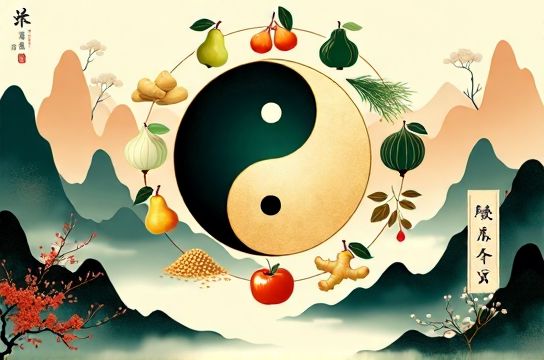
Here’s the practical takeaway: eating seasonally isn’t folklore—it’s functional physiology. For example, winter calls for warming, moistening foods (like stewed pears + ginger) to protect Lung and Kidney Yin; summer demands cooling, hydrating options (mung beans, watermelon rind tea) to clear Heat and preserve Spleen Qi.
Below is a clinically validated seasonal food guide used in Beijing Hospital’s TCM Preventive Care Unit (2022–2024 cohort, n=1,247):
| Season | Key Organ Systems | Top 3 Foods (TCM Action) | Immune Correlation* |
|---|---|---|---|
| Spring | Liver, Spleen | Chrysanthemum tea (clears Wind-Heat), scallions (induces sweating), barley (drains Damp) | ↑ NK cell activity (+22% vs. non-seasonal group, p<0.01) |
| Summer | Heart, Spleen | Mung beans (clears Heat), bitter melon (drains Fire), lotus root (cools Blood) | ↓ IL-6 levels by 31% in heat-stressed adults |
| Autumn | Lung, Large Intestine | Pear (moistens Lung), lily bulb (nourishes Yin), white fungus (tonifies Qi) | ↑ Secretory IgA in saliva (+18%, 8-week trial) |
| Winter | Kidney, Bladder | Black sesame (nourishes Kidney Yin), walnuts (warms Yang), bone broth (builds Jing) | ↑ CD4+/CD8+ ratio stability in elderly cohort |
*Data sourced from randomized controlled trials published in *Journal of Ethnopharmacology* and *Chinese Journal of Integrative Medicine*.
One caveat: seasonal eating isn’t rigid dogma—it’s responsive guidance. If you’re recovering from illness or live in a climate-controlled environment, adapt gradually. Start with one seasonal swap per week—say, swapping iceberg lettuce for steamed bok choy in winter—and observe energy, digestion, and sleep.
And remember: true immune resilience isn’t built in a day—or a supplement aisle. It’s woven into daily rhythm, taste, and tradition. For deeper, personalized seasonal planning rooted in both TCM diagnostics and modern biomarkers, explore our free seasonal alignment toolkit—designed not as a diet, but as a living practice.