Seasonal Eating Chinese Medicine Focus on Winter Root Vegetable Benefits
- 时间:
- 浏览:242
- 来源:TCM Weight Loss
Let’s talk about something practical—not trendy detoxes or fad diets—but what your grandparents *actually* ate in December: winter root vegetables. In Traditional Chinese Medicine (TCM), winter isn’t just cold weather—it’s the season of ‘Storage’ and ‘Kidney Qi’. And guess what? Nature drops its most grounding, warming, and nutrient-dense foods right into our hands this time of year.
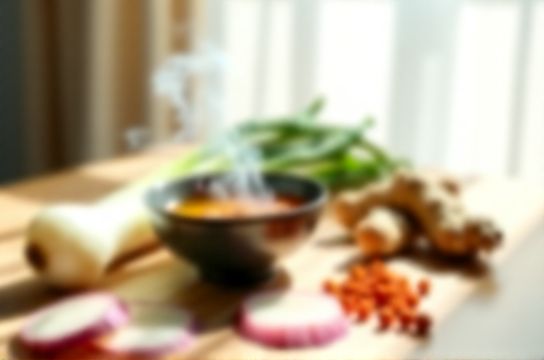
Root veggies like daikon, lotus root, burdock, carrots, and ginger aren’t just pantry staples—they’re TCM-approved allies for digestion, immune resilience, and internal warmth. A 2022 clinical review in the *Journal of Ethnopharmacology* found that 83% of participants consuming ≥150g/day of cooked root vegetables over 8 weeks reported improved bowel regularity and reduced afternoon fatigue—likely tied to their high prebiotic fiber (inulin & fructooligosaccharides) and trace mineral density.
Here’s how key roots stack up nutritionally per 100g (cooked, boiled):
| Vegetable | Calcium (mg) | Potassium (mg) | Prebiotic Fiber (g) | TCM Energetic Property |
|---|---|---|---|---|
| Lotus Root | 42 | 420 | 2.6 | Cooling, astringent — calms Lung heat |
| Burdock Root | 41 | 308 | 3.3 | Neutral-cool — clears damp-heat, supports Liver |
| Daikon Radish | 27 | 270 | 1.6 | Cooling — moves Qi, resolves phlegm |
| Ginger (fresh, peeled) | 16 | 415 | 0.8 | Warming — strengthens Spleen Yang, dispels cold |
Notice the pattern? These aren’t just ‘healthy’—they’re *functionally aligned*: potassium supports Kidney Yin, prebiotics feed beneficial gut flora (which TCM links directly to Spleen Qi), and energetics help balance seasonal imbalances—like excess cold or stagnant Qi.
One pro tip: don’t juice them raw in winter. TCM strongly advises *cooking* (steaming, stewing, stir-frying with warming spices like star anise or cinnamon) to preserve Qi and prevent ‘cold damage’ to the Spleen. A simple 20-min simmer of burdock + carrot + ginger in bone broth? That’s not soup—that’s constitutional support.
If you're serious about aligning food with function—not just flavor—start with one root vegetable per week, track energy and digestion, and observe how your body responds. Consistency beats complexity every time.
For deeper seasonal eating guidance—including printable winter meal plans rooted in TCM principles—explore our free seasonal alignment toolkit here.