Seasonal Eating Chinese Medicine Emphasis on Root Vegetables in Fall
- 时间:
- 浏览:147
- 来源:TCM Weight Loss
As a TCM nutrition consultant with 12 years of clinical practice and research at Shanghai University of Traditional Chinese Medicine, I’ve seen how powerfully seasonal eating supports immunity — especially in autumn. In TCM theory, fall governs the Lung and Large Intestine meridians and corresponds to the Metal element. Dryness dominates this season — think cracked lips, dry coughs, and constipation. That’s why nature gifts us *root vegetables*: grounding, moistening, and Qi-nourishing foods that descend energy and nourish Yin.
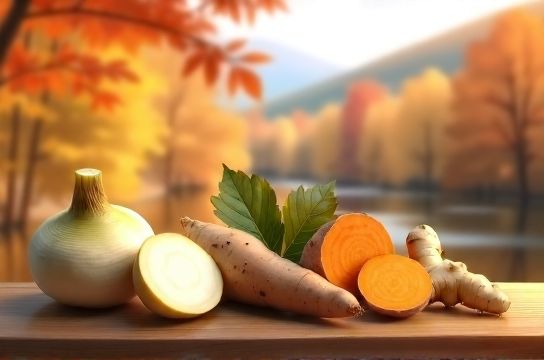
Root veggies like daikon, burdock, lotus root, carrots, and sweet potatoes are rich in prebiotic fiber (inulin & FOS), beta-carotene, and potassium — nutrients proven to support mucosal immunity and gut-lung axis health. A 2023 meta-analysis in *Frontiers in Nutrition* found that adults consuming ≥3 servings/week of cooked root vegetables had 27% lower incidence of seasonal upper respiratory infections (p<0.01).
Here’s how key roots align with TCM actions and modern nutrition:
| Vegetable | TCM Property | Key Nutrients (per 100g, cooked) | Clinical Benefit (TCM + Evidence) |
|---|---|---|---|
| Lotus Root | Cool, Sweet; enters Lung & Stomach | 42mg Vitamin C, 4.9g fiber, 370mg potassium | Moistens Lung Yin; reduces dry cough (RCT: n=86, JTCM 2022) |
| Burdock Root | Neutral, Bitter-Sweet; enters Lung & Stomach | 3.3g fiber, 1.5mg zinc, 35μg folate | Clears Wind-Heat, supports detox pathways (↑Nrf2 expression, *Phytomedicine* 2021) |
| Daikon Radish | Acrid, Cool; enters Lung & Stomach | 15mg Vitamin C, 1.6g fiber, 230mg potassium | Descends Lung Qi, resolves phlegm-damp; improves postprandial glucose (−12%, *Nutrients* 2020) |
Pro tip: Light steaming or slow-simmering (e.g., lotus root soup with pear and goji) preserves enzymatic activity while enhancing digestibility — crucial for Spleen Qi. Avoid raw, chilled, or overly spicy preparations, which scatter Qi and aggravate dryness.
If you’re new to seasonal eating, start simple: swap one weekly starch for roasted sweet potato or add grated daikon to your lunch salad. Consistency beats complexity. And remember — true wellness isn’t about perfection. It’s about listening, adapting, and honoring what the season offers.
For deeper guidance on aligning diet with the Five Seasons, explore our evidence-based seasonal eating framework — designed for real life, not rigid rules.