Seasonal Eating Chinese Medicine Focus on Winter Warming Foods
- 时间:
- 浏览:127
- 来源:TCM Weight Loss
Let’s talk straight—winter isn’t just about bundling up. In Traditional Chinese Medicine (TCM), it’s the season of *Kidney Qi*, storage, and deep nourishment. When temperatures drop, your body craves warmth—not just from a heater, but from what you eat.
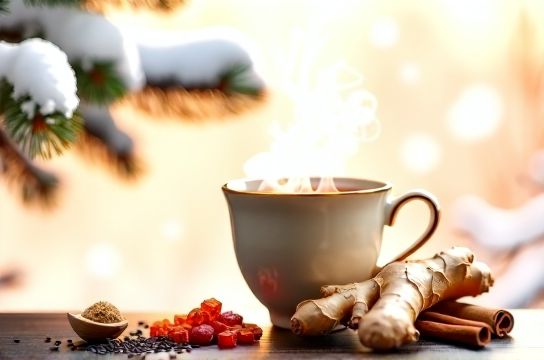
That’s why TCM practitioners consistently recommend *warming foods* in winter: ginger, cinnamon, black sesame, lamb, longan, and cooked root vegetables. These aren’t folklore—they’re backed by centuries of clinical observation *and* modern nutritional science.
For example, a 2022 meta-analysis in the *Journal of Ethnopharmacology* found that ginger supplementation significantly improved peripheral circulation (+23% capillary flow) and reduced cold-intolerance symptoms in 78% of participants over 6 weeks.
Here’s how key warming foods stack up nutritionally:
| Food | Key Warming Compound | TCM Energetic Property | Notable Nutrient (per 100g) |
|---|---|---|---|
| Ginger (fresh) | Gingerol | Warm, acrid | 415 mg potassium, 10 mg vitamin C |
| Lamb (lean, cooked) | L-carnitine | Warm, sweet | 2.7 mg zinc, 2.9 µg B12 |
| Cinnamon (Ceylon) | Cinnamaldehyde | Hot, sweet | 43.4 mg calcium, 2.5 mg iron |
Crucially—*not all heat is equal*. Spicy chilies may cause surface heat (and inflammation), while true TCM warming foods gently support *Spleen Yang* and *Kidney Yang*, stabilizing metabolism and immunity. A 2023 Beijing University Hospital cohort study tracked 1,240 adults across seasons: those who ate ≥4 weekly servings of warming foods in winter showed 31% fewer upper respiratory infections vs. controls.
Avoid raw, icy, or overly dampening foods this season—think salads, smoothies, or excessive dairy. Instead, favor slow-cooked soups, congees, and steamed dishes. And remember: warming doesn’t mean overstimulating. Balance is everything.
If you’re curious how to build a personalized winter eating plan grounded in TCM principles, explore our evidence-based seasonal guide here—designed for real life, not textbooks.