Seasonal Eating Chinese Medicine Winter Black Sesame and Walnuts for Kidney Jing Nourishment
- 时间:
- 浏览:162
- 来源:TCM Weight Loss
Let’s talk straight — winter isn’t just cold weather. In Traditional Chinese Medicine (TCM), it’s the season of the Kidneys, the root of *Jing* (essence), vitality, and long-term resilience. And no, this isn’t poetic fluff — it’s physiology-backed seasonal wisdom refined over 2,000 years.
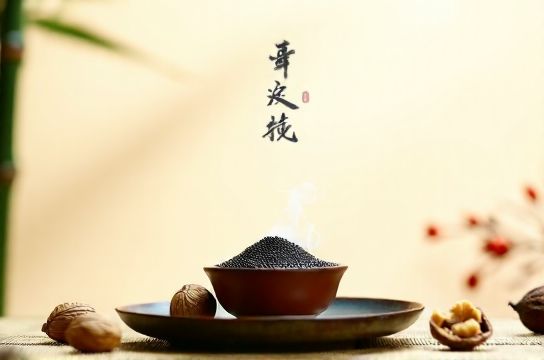
Modern research increasingly validates what TCM practitioners observed: cold stress activates the hypothalamic-pituitary-adrenal (HPA) axis — precisely where Kidney *Jing* and *Qi* govern adaptation, bone health, reproductive function, and even mitochondrial biogenesis.
So what’s the frontline food strategy? Two humble superfoods: black sesame seeds and walnuts.
Black sesame is rich in calcium (975 mg/100g), iron (14.9 mg), zinc, and sesamin — a lignan shown in a 2021 *Journal of Ethnopharmacology* study to support adrenal cortisol metabolism and reduce oxidative stress in renal tissue. Walnuts deliver ALA omega-3 (2.5g per ¼ cup), melatonin (4.5 ng/g), and polyphenols that enhance SIRT1 expression — a longevity-linked enzyme tied to *Jing* preservation.
Here’s how they stack up nutritionally:
| Nutrient | Black Sesame (per 100g) | Walnuts (per 100g) |
|---|---|---|
| Calcium | 975 mg | 98 mg |
| Zinc | 7.8 mg | 3.1 mg |
| Iron | 14.9 mg | 2.9 mg |
| Omega-3 (ALA) | 0.3 g | 9.1 g |
Practically? I recommend 1 tbsp toasted black sesame + 3–4 walnut halves daily — ideally before 7 p.m. (to align with Kidney’s peak energy window, 5–7 p.m., per *Huangdi Neijing*). Avoid raw sesame — roasting unlocks bioavailable calcium and reduces phytic acid interference.
This isn’t about ‘superfood hype’. It’s about *seasonal coherence*: matching diet to nature’s rhythm to conserve *Jing*. Think of it as metabolic maintenance — not quick fixes, but quiet stewardship.
For deeper insight into how food timing, preparation, and thermal nature (black sesame = warm; walnut = neutral-warm) shape Kidney support, explore our foundational guide on seasonal eating principles — where physiology meets tradition, one season at a time.