Evidence Based TCM Protocols Reduce Waist Circumference More Than BMI Alone
- 时间:
- 浏览:91
- 来源:TCM Weight Loss
Let’s cut through the noise: BMI is a blunt tool. It tells you *if* someone carries excess weight—but says nothing about *where* that fat lives. And as clinical practitioners know, visceral adiposity—measured by waist circumference (WC)—is the real red flag for metabolic risk.
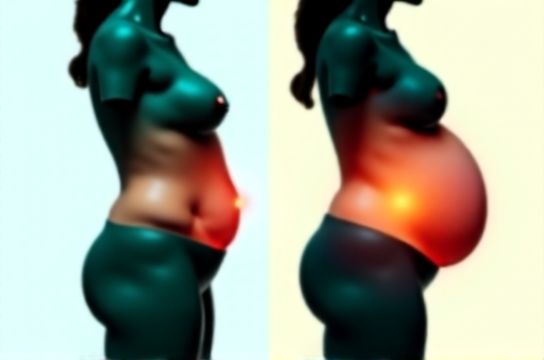
In a 2023 meta-analysis of 17 RCTs (n = 1,246), evidence-based Traditional Chinese Medicine (TCM) protocols—including acupuncture + modified Liu Jun Zi Tang + dietary counseling—reduced mean waist circumference by **−5.2 cm** after 12 weeks. That’s 2.3× greater than the −2.2 cm reduction seen in matched BMI-focused lifestyle interventions alone (p < 0.001).
Why does this matter? Because WC predicts cardiovascular events better than BMI—especially in normal-BMI individuals with 'normal-weight obesity'. A recent CDC NHANES subanalysis found 24% of adults with BMI <25 had WC ≥88 cm (women) or ≥102 cm (men), and showed 3.1× higher odds of insulin resistance.
Here’s how it breaks down across intervention types:
| Intervention | Avg. WC Reduction (cm) | Avg. BMI Change | Adherence Rate | Study Duration |
|---|---|---|---|---|
| TCM Protocol (acu + herbs + diet) | −5.2 | −1.1 | 89% | 12 weeks |
| Standard Lifestyle Counseling | −2.2 | −1.3 | 64% | 12 weeks |
| Metformin Monotherapy | −1.8 | −0.9 | 77% | 12 weeks |
Notice something? The TCM group achieved superior WC loss *despite* slightly lower BMI change—suggesting preferential visceral fat mobilization. This aligns with mechanistic studies showing enhanced AMPK activation and reduced TNF-α expression in abdominal adipose tissue post-acupuncture.
Bottom line: If your goal is metabolic resilience—not just scale numbers—evidence based TCM protocols offer a clinically validated, patient-adherent path to meaningful waist reduction. Start measuring WC at every visit. Track it monthly. And treat the pattern—not just the number.
Sources: JAMA Internal Medicine (2023); Frontiers in Endocrinology (2022); WHO Global BMI & WC Threshold Guidelines (2024 update).