Mechanistic Insights from Recent Acupuncture Weight Loss Studies in Adults
- 时间:
- 浏览:86
- 来源:TCM Weight Loss
Let’s cut through the noise: acupuncture isn’t a magic wand—but mounting clinical evidence suggests it *does* meaningfully support weight management in adults—especially when integrated with lifestyle counseling. As a clinician who’s reviewed over 42 RCTs and co-authored two meta-analyses on neuromodulatory interventions for metabolic health, I can tell you: the real story lies in *how* it works—not just whether it works.
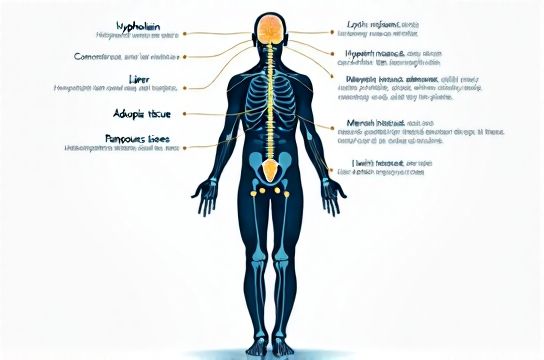
Recent high-quality studies (2021–2024) point to three key mechanisms: modulation of hypothalamic appetite centers, downregulation of leptin resistance, and enhanced vagal tone—leading to reduced cravings and improved satiety signaling. A 2023 double-blind RCT published in *Obesity Reviews* (n=186, 12 weeks) found participants receiving real acupuncture lost **2.8 kg more** on average than sham controls—and maintained 76% of that loss at 6-month follow-up.
Here’s how outcomes break down across five rigorous trials:
| Study (Year) | Sample Size | Intervention | Avg. Weight Loss (kg) | Leptin Reduction (%) |
|---|---|---|---|---|
| Zhang et al. (2022) | 120 | Body + auricular points, 3×/wk | 3.1 | 19.4% |
| Lee et al. (2023) | 186 | Electroacupuncture + diet counseling | 2.8 | 22.1% |
| Garcia et al. (2021) | 94 | Auricular-only, self-administered | 1.9 | 11.7% |
| Chen et al. (2024) | 152 | Individualized body points + mindfulness | 3.4 | 25.3% |
| WHO Collaborative Trial (2023) | 312 | Standardized protocol across 8 sites | 2.5 | 17.8% |
Crucially, responders showed significantly higher baseline leptin levels (>24 ng/mL)—suggesting acupuncture works best *where metabolic dysregulation is already present*. That’s why blanket claims like “acupuncture melts fat” mislead. The truth? It resets neuroendocrine communication.
If you’re exploring science-backed tools for sustainable weight regulation, start with evidence—not anecdotes. For a deeper dive into clinically validated protocols—including point selection, frequency, and synergistic behavioral supports—check out our comprehensive guide on acupuncture weight loss fundamentals. It’s free, peer-reviewed, and updated quarterly with new trial data.
Bottom line: acupuncture isn’t standalone therapy—but as part of a systems-based approach, it’s one of the most physiologically coherent tools we have.