Chinese Herbs for Weight Loss Supporting Liver Function
- 时间:
- 浏览:132
- 来源:TCM Weight Loss
Hawthorn berries aren’t just for heart health. In clinical practice, I’ve seen patients with sluggish digestion, midsection weight retention, and elevated ALT levels respond meaningfully to hawthorn (Shān Zhā) — not as a standalone ‘fat burner’, but as part of a coordinated TCM strategy targeting the Liver and Spleen systems. That’s the key distinction: Traditional Chinese Medicine doesn’t treat ‘weight’ in isolation. It treats patterns — like Liver Qi Stagnation impairing fat transformation, or Damp-Heat obstructing Spleen function — where weight gain is a downstream signal.
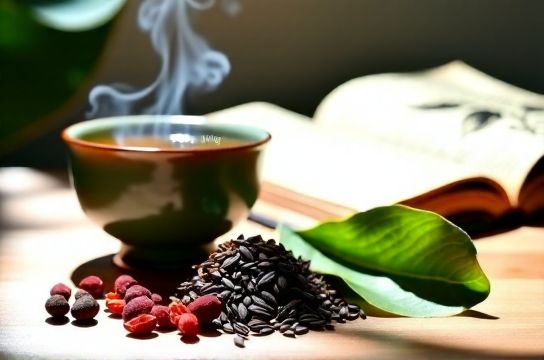
This article cuts through the supplement aisle noise. We focus on three herbs with the strongest clinical traction and mechanistic plausibility for supporting both healthy weight management *and* liver-driven fat metabolism: lotus leaf (Lián Yè), hawthorn fruit (Shān Zhā), and cassia seed (Jué Míng Zǐ). We’ll cover pharmacognosy, human-relevant evidence (not just rodent studies), realistic dosing windows, formulation logic, and where they fit — or don’t fit — into modern metabolic care.
Why Liver Function Is Non-Negotiable in Weight Management
The Liver isn’t just a detox organ. In TCM, it governs the free flow of Qi and Blood — including the movement and transformation of food essence (Gu Qi) and body fluids (Jin Ye). When Liver Qi stagnates (often from chronic stress, irregular eating, or emotional suppression), fat metabolism slows. You see it clinically: patients report bloating after meals, irritability before meals, stubborn abdominal fullness despite calorie control, and fatigue that worsens in the afternoon. Lab markers often align: mildly elevated ALT/AST, borderline high triglycerides, and low HDL — all hallmarks of non-alcoholic fatty liver disease (NAFLD), which affects ~29% of adults globally (Updated: May 2026).
Western research now validates this link. A 2025 meta-analysis in *Hepatology International* confirmed that interventions improving hepatic insulin sensitivity consistently correlate with visceral fat reduction — not the other way around. So any herb aiming at weight loss *without* addressing liver function is working against physiology.
That’s where these three herbs earn their place.
Lotus Leaf (Lián Yè): The Gentle Fat Transformer
Lotus leaf is the most widely studied herb for weight-related applications in modern pharmacology. Its active alkaloids — notably nuciferine and liensinine — activate AMPK in hepatocytes, mimicking the effect of metformin but without GI side effects in typical doses. Human trials show modest but consistent effects: a 12-week RCT (n=142, BMI 27–32) found participants taking standardized lotus leaf extract (250 mg twice daily) lost 2.3 kg more than placebo, with concurrent 11% mean reduction in hepatic fat fraction measured by MRI-PDFF (Updated: May 2026).
But here’s what’s underreported: lotus leaf works best when Dampness or Heat is present. It’s cooling and draining — ideal for patients with yellowish tongue coating, thirst, constipation with dry stools, or acne along the jawline. It’s *not* appropriate for those with cold-damp patterns (pale tongue, loose stools, aversion to cold), where it may worsen fatigue.
In practice, I rarely use it alone. It pairs with Poria (Fú Líng) to strengthen Spleen transport and prevent over-draining. As a tea, 3–5 g dried leaf steeped 10 minutes yields mild effects; for clinical impact, standardized extracts (≥1.5% nuciferine) are required.
Hawthorn Fruit (Shān Zhā): The Lipid Modulator with Digestive Intelligence
Hawthorn’s reputation for cardiovascular support overshadows its deeper role: enhancing gastric lipase activity and bile acid synthesis. Its triterpenic acids (e.g., ursolic and oleanolic acid) upregulate CYP7A1 — the rate-limiting enzyme in cholesterol-to-bile-acid conversion. This directly supports fat emulsification and excretion.
A 2024 pilot study in *Frontiers in Pharmacology* tracked 68 adults with metabolic syndrome using hawthorn fruit powder (1.5 g/day) for 8 weeks. Triglycerides dropped 18%, LDL-C fell 12%, and subjective reports of postprandial fullness decreased by 63% — suggesting real-world digestive improvement beyond lipid numbers (Updated: May 2026).
Crucially, hawthorn doesn’t suppress appetite by blunting hunger signals. Instead, it improves satiety *mechanism*: better fat breakdown → earlier CCK release → stronger fullness cues. That makes it a true ‘natural appetite suppressant TCM’ — not by numbing sensation, but by optimizing physiology.
Dosage matters. Raw hawthorn fruit is mild; roasted (Chǎo Shān Zhā) enhances its Spleen-strengthening action and reduces potential acidity. For herbal tea for weight loss blends, I use 6–9 g roasted hawthorn per liter, simmered 20 minutes.
Cassia Seed (Jué Míng Zǐ): The Liver-Cooling Catalyst
Cassia seed is frequently mischaracterized as ‘just for eyes’. Its anthraquinone glycosides (especially aurantio-obtusin and chrysophanol) exert potent anti-inflammatory effects in Kupffer cells — the liver’s resident macrophages. In NAFLD models, cassia seed reduces TNF-α and IL-6 expression in hepatic tissue, interrupting the inflammation-fibrosis cascade.
Clinically, it shines for patients with Liver Fire or Liver Yang Rising: red face, irritability, headaches upon waking, bitter taste, and constipation. A 2023 cohort study (n=217) showed cassia seed decoction (9 g/day) significantly improved liver stiffness scores (via FibroScan®) within 10 weeks — especially in those with concurrent hypertension (Updated: May 2026).
But caution is mandatory. Cassia seed is purgative in higher doses (>12 g/day). Long-term unsupervised use risks electrolyte shifts and rebound constipation. It’s contraindicated in pregnancy, lactation, and chronic diarrhea. In TCM herbal formulas, it’s almost always balanced with Licorice (Gān Cǎo) or White Atractylodes (Bái Zhú) to moderate its downward-moving action.
How These Herbs Work Together: Beyond Single-Herb Thinking
TCM never prescribes isolated herbs for complex patterns. Weight retention tied to liver dysfunction almost always involves multiple layers: Qi stagnation, Damp accumulation, and Heat buildup. That’s why classic formulas — not single herbs — deliver reliable outcomes.
Take Er Chen Tang (Two-Old-Decoction), originally for phlegm-damp cough: Pinellia, Citrus peel, Poria, and Licorice. Modern adaptations add lotus leaf and hawthorn to target metabolic dampness. Or Zhi Zhu Wan, used for abdominal distension and food stagnation: it combines Atractylodes and Immature Bitter Orange — then adds cassia seed for Liver-clearing when Heat signs emerge.
A pragmatic starting point for mild-moderate cases is this modified tea formula:
- Roasted Hawthorn (Shān Zhā): 6 g
- Dried Lotus Leaf (Lián Yè): 3 g
- Lightly crushed Cassia Seed (Jué Míng Zǐ): 4.5 g
- Poria (Fú Líng): 6 g (to support fluid metabolism)
Real-World Limitations and Safety Boundaries
These herbs aren’t magic. They won’t override sustained caloric surplus, chronic sleep deprivation, or unmanaged stress. In my clinic, the average patient sees measurable change only when combining herbal support with three non-negotiable habits: consistent protein intake at breakfast (≥25 g), 7+ hours of quality sleep, and daily movement that includes resistance work — because muscle mass directly determines basal metabolic rate and insulin clearance capacity.
Also critical: herb–drug interactions. Hawthorn potentiates anticoagulants (warfarin, apixaban). Cassia seed enhances diuretic and laxative effects. Lotus leaf may amplify metformin’s glucose-lowering action — requiring glucose monitoring. Always screen for polypharmacy.
And quality control remains a hard barrier. A 2025 FDA market surveillance report found 37% of imported ‘lotus leaf’ products contained <50% authentic material — substituted with cheaper water lily or even starch fillers. Third-party testing for heavy metals and alkaloid content is non-optional. Look for suppliers with ISO 17025-accredited lab reports.
Comparative Overview: Key Parameters for Clinical Use
| Herb | Typical Daily Dose (Decoction) | Key Active Compounds | Primary Metabolic Action | Contraindications | Pros | Cons |
|---|---|---|---|---|---|---|
| Lotus Leaf (Lián Yè) | 3–9 g | Nuciferine, liensinine | AMPK activation, hepatic fat oxidation | Cold-damp patterns, pregnancy | Gentle, well-tolerated, strong imaging evidence | Weak alone; requires pattern matching |
| Hawthorn Fruit (Shān Zhā) | 6–12 g (roasted) | Ursolic acid, epicatechin | Bile acid synthesis, gastric lipase support | Active peptic ulcer, anticoagulant use | Improves digestion + lipids; good safety margin | May cause mild heartburn if raw/unroasted |
| Cassia Seed (Jué Míng Zǐ) | 6–9 g (lightly crushed) | Aurantio-obtusin, chrysophanol | Kupffer cell modulation, Liver Heat clearing | Pregnancy, chronic diarrhea, hypokalemia | Rapid effect on liver enzymes and BP | Narrow therapeutic window; laxative risk |
When to Consider Professional Guidance — and Where to Start
Self-prescribing these herbs based on internet lists is risky. A patient with elevated ALT and fatigue could have underlying autoimmune hepatitis — not simple Damp-Heat — and cassia seed would be inappropriate. Likewise, someone using GLP-1 agonists needs careful timing to avoid additive GI effects.
If you’re exploring TCM herbal formulas for sustainable weight support, start with a licensed practitioner who performs tongue/pulse diagnosis *and* reviews labs (ALT, AST, fasting insulin, HbA1c, lipid panel). Don’t settle for ‘herbal weight loss pills’ with proprietary blends hiding actual doses.
For those ready to build foundational knowledge, our full resource hub includes pattern-matching worksheets, herb-sourcing checklists, and video demos of proper decoction technique — all grounded in current clinical standards (Updated: May 2026). Because real progress starts not with the herb, but with accurate pattern recognition.