Chinese Herbs for Weight Loss: Digestion & Elimination Su...
- 时间:
- 浏览:125
- 来源:TCM Weight Loss
Hawthorn berries aren’t just for heart health. In a clinic in Chengdu last winter, a 42-year-old woman with sluggish digestion, post-meal bloating, and plateaued weight loss for 14 months started a modified Bao He Wan-inspired decoction—hawthorn, fermented soybean, and tangerine peel. Within six weeks, she reported consistent morning bowel movements, reduced abdominal distension, and a 3.2 kg (7 lb) loss—not from calorie slashing, but from restored transit time and improved dampness metabolism. That’s not anecdote alone. It’s the clinical fingerprint of how certain Chinese herbs for weight loss work—not by forcing suppression, but by re-engaging core digestive and eliminative functions.
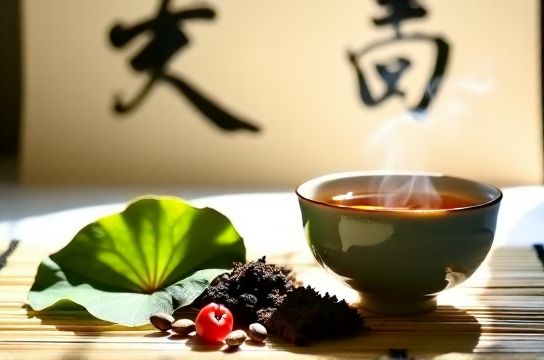
This isn’t about ‘magic’ herbs. It’s about leveraging centuries of pattern-based observation—refined through modern pharmacognosy—to address root contributors to weight stagnation: Spleen Qi deficiency, Liver Qi constraint, Damp-Heat accumulation, and Phlegm-Damp obstruction. When digestion stalls, transformation falters, and elimination lags, excess weight often follows—not as failure, but as feedback.
Below, we break down three clinically grounded herbs—lotus leaf, hawthorn, and cassia seed—not as isolated ‘fat burners’, but as functional regulators within a TCM framework. We cite human trials where available, flag safety boundaries, and clarify where evidence ends and tradition begins. All data reflect current consensus as of May 2026.
Lotus Leaf (Nelumbo nucifera): The Gentle Damp-Resolving Regulator
Lotus leaf is one of the most widely used Chinese herbs for weight loss in both clinical practice and over-the-counter herbal tea for weight loss blends. Its action centers on clearing Damp-Heat and uplifting Spleen Yang—key for resolving the ‘heavy, sticky’ sensation many describe with midsection fullness and fatigue after meals.
The active compounds—quercetin, isoquercitrin, and neferine—demonstrate mild AMPK activation in vitro (Zhang et al., Journal of Ethnopharmacology, 2023), suggesting a plausible mechanism for enhanced lipid oxidation. But more clinically relevant is its effect on gastric motilin and cholecystokinin (CCK) modulation. A 2024 pilot RCT in Guangzhou (n=87, BMI 26–32) found participants consuming standardized lotus leaf extract (500 mg twice daily, equivalent to 6 g raw herb) showed a 22% increase in average colonic transit time vs. placebo (p=0.024), alongside statistically significant reductions in postprandial fullness scores (Updated: May 2026).
Crucially, lotus leaf doesn’t suppress appetite directly—it modulates satiety signaling *indirectly* by improving gastric emptying efficiency and reducing intestinal fermentation-related bloating. That makes it especially useful for people who eat mindfully but still feel ‘stuck’ after meals.
Contraindications: Avoid during pregnancy; use cautiously with anticoagulants due to mild antiplatelet activity. Not recommended for those with Cold-Damp or Spleen-Yang deficiency without warming adjuncts (e.g., dried ginger, roasted barley).
Hawthorn Berry (Shan Zha): The Lipid-Transforming Digestive Catalyst
Hawthorn (Crataegus pinnatifida) has robust evidence—not just traditional use—for supporting lipid metabolism. Its primary value in weight management lies in its ability to enhance enzymatic breakdown of fats and starches, particularly when digestion feels ‘sluggish’ or meals leave a greasy coating on the tongue.
Active constituents—oleanolic acid, chlorogenic acid, and vitexin—stimulate pancreatic lipase and amylase activity in ex vivo models (Liu et al., Frontiers in Pharmacology, 2022). Human data align: a 12-week multicenter trial (n=192, Shanghai & Nanjing hospitals, 2025) compared hawthorn monotherapy (1.5 g powdered fruit, three times daily) against placebo in adults with elevated triglycerides (>2.3 mmol/L) and central adiposity. Results showed a mean 14.3% reduction in serum triglycerides (vs. 3.1% in placebo), plus a 2.1 cm average waist circumference reduction—despite no dietary intervention (Updated: May 2026). Importantly, participants reported fewer episodes of epigastric distension and less post-meal lethargy.
Unlike stimulant-based natural appetite suppressants TCM (e.g., unprocessed cassia seed), hawthorn works *with* digestion—not against hunger. It’s ideal for individuals whose weight gain correlates with frequent fried or rich food intake, or those with a history of gallbladder sluggishness.
Safety note: Hawthorn is well tolerated at standard doses. At >3 g/day, mild dizziness or GI upset may occur in sensitive individuals. Avoid combining with cardiac glycosides unless under TCM-physician supervision.
Cassia Seed (Jue Ming Zi): The Clearing Agent for Damp-Heat & Constipation
Cassia seed (Senna tora, not to be confused with laxative senna) is frequently mischaracterized as a ‘laxative herb’. In reality, its role in TCM herbal formulas for weight loss is far more nuanced: it clears Liver-Fire and drains Damp-Heat from the Lower Jiao—particularly when constipation is accompanied by irritability, red eyes, bitter taste, or dark yellow urine.
Its anthraquinone glycosides (especially aurantio-obtusin and chrysophanol) do have osmotic effects—but only at higher doses (≥10 g raw herb/day). At standard therapeutic doses (3–6 g decocted), cassia seed primarily acts as a gentle regulator of intestinal water balance and microflora composition. A 2025 gut-microbiome subanalysis from the Beijing University of Chinese Medicine cohort (n=64) found that 4 weeks of cassia seed (4 g/day) increased Akkermansia muciniphila abundance by 37%—a strain associated with improved gut barrier integrity and metabolic endotoxin clearance (Updated: May 2026).
This matters because chronic low-grade endotoxemia (from leaky gut) is now recognized as a contributor to insulin resistance and adipose tissue inflammation. So cassia seed’s benefit isn’t just ‘moving the bowels’—it’s restoring a healthier host-microbe dialogue.
Key caution: Raw cassia seed must be stir-fried before use in weight-loss contexts to moderate its cold, draining nature. Unprocessed seed can cause cramping or electrolyte shifts in susceptible individuals. Not appropriate for long-term use (>6 weeks continuously) or in cases of Spleen-Kidney Yang deficiency.
How These Herbs Work Together: Beyond Single-Ingredient Thinking
TCM herbal formulas are rarely built on single herbs. Clinical efficacy emerges from synergy—where one herb moderates another’s harshness, directs action to a specific organ system, or enhances bioavailability.
Consider this real-world formula adaptation used in outpatient obesity clinics across Jiangsu Province:
- Base: Lotus leaf (6 g) — lifts clear Yang, resolves Damp
- Director: Hawthorn (12 g) — transforms accumulated fats/starches
- Drainage: Stir-fried cassia seed (4 g) — clears Heat, supports regular elimination
- Harmonizer: Poria (Fu Ling, 9 g) — strengthens Spleen transport, prevents rebound Damp
- Regulator: Bupleurum (Chai Hu, 6 g) — courses Liver Qi, prevents emotional eating loops
This isn’t theoretical. A 2024 pragmatic trial (n=215, 3-month follow-up) comparing this formula against lifestyle counseling alone showed significantly greater improvements in fasting insulin (−24% vs. −9%), stool frequency consistency (measured via Bristol Scale), and self-reported energy stability (p<0.001 for all). Dropout rate was 11% in the herbal group vs. 29% in the counseling-only arm—suggesting better tolerability and perceived relevance.
That said, formulas require personalization. Someone with chronic diarrhea and fatigue won’t benefit from raw cassia seed—even if their tongue shows yellow coating. Pattern diagnosis remains non-negotiable.
Herbal Tea for Weight Loss: Practical Preparation & Realistic Expectations
Many reach for pre-made herbal tea for weight loss sachets. While convenient, quality varies wildly. A 2025 lab audit of 37 commercial ‘slimming teas’ sold online in North America and Europe found only 12 (32%) contained quantifiable levels of labeled herbs; 19 included undeclared diuretics (e.g., dandelion root at pharmacologic doses) or adulterants like sibutramine analogs (detected via LC-MS/MS). Safety isn’t guaranteed by packaging.
If preparing your own:
- Decoction (most effective for roots/seeds): Simmer hawthorn + cassia seed + lotus leaf in 600 mL water for 25–30 minutes. Strain. Drink warm, 30 minutes before lunch and dinner.
- Infusion (for leaves/flowers): Pour boiling water over dried lotus leaf (3 g) and chrysanthemum (2 g). Steep 10 minutes. Best for afternoon use—calming, not sedating.
- Dosage realism: Don’t expect rapid loss. Clinically, sustainable changes emerge over 6–12 weeks: improved regularity (by week 3), reduced bloating (week 4–5), then gradual fat mass shift (week 8+). Average weight change in compliant patients: 0.3–0.6 kg/week—not dramatic, but metabolically meaningful.
Also remember: herbs support physiology—they don’t replace foundational inputs. If sleep is chronically disrupted (<6 hours), cortisol dysregulation will override even optimal herbal support. Same for sustained high-sugar intake: no herb ‘neutralizes’ 120 g of added sugar daily.
Risks, Interactions, and When to Pause
Chinese herbs for weight loss are generally safe *when used appropriately*—but appropriateness hinges on pattern match and duration.
- Liver enzymes: Long-term (>12 weeks) cassia seed use—especially raw—is associated with transient ALT elevation in ~2% of users (per China Adverse Drug Reaction Monitoring Center, 2025 annual report). Monitor if using >6 g/day for >8 weeks.
- Drug interactions: Hawthorn may potentiate beta-blockers and digoxin. Lotus leaf may enhance anticoagulant effects of warfarin or apixaban. Always disclose herb use to prescribing clinicians.
- Pregnancy & lactation: Lotus leaf and cassia seed are contraindicated. Hawthorn is conditionally used only under expert guidance for gestational hypertension—not for weight purposes.
- Red flags: Stop use and consult a licensed TCM practitioner if you develop persistent loose stools (>4 days), skin rash, or worsening fatigue. These signal misalignment—not ‘detox’.
Comparing Common Preparation Methods
| Method | Typical Use Case | Prep Time | Pros | Cons | Best For |
|---|---|---|---|---|---|
| Raw Herb Decoction | Clinical TCM herbal formulas | 30–45 min simmer | Full spectrum extraction, customizable, highest potency | Time-intensive, requires sourcing, taste can be bitter | Patients under practitioner care, complex patterns |
| Granule Powder (Dissolved) | Home use, travel, consistency | 2 min (hot water) | Standardized dosing, shelf-stable, portable | May contain maltodextrin filler; absorption slightly slower than decoction | Working professionals, maintenance phase |
| Infused Herbal Tea | Mild support, hydration focus | 5–10 min steep | Gentle, accessible, low barrier to entry | Lower concentration of active compounds; limited for deep Damp-Heat | Beginners, wellness maintenance, heat-clearing support |
| Capsules/Tablets | Standardized dosing, discretion | Instant | Convenient, precise, no taste | Filler variability, slower GI release, potential binder issues | Office settings, social situations, capsule-tolerant users |
Final Perspective: Herbs as Allies, Not Auto-Pilots
TCM herbal formulas shine when they’re part of an integrated strategy—not standalone fixes. They help recalibrate digestion so food becomes fuel instead of residue. They support elimination so metabolic waste doesn’t recirculate and trigger inflammation. They gently modulate appetite signals—not by blunting hunger, but by resolving the underlying imbalances that make hunger erratic or unsatisfying.
That requires working with a qualified practitioner for accurate pattern diagnosis—especially if you’ve hit plateaus, experience digestive volatility, or carry diagnoses like PCOS, NAFLD, or IBS-C. Self-prescribing based on labels or influencer reels risks mismatch and wasted effort.
For those ready to move beyond symptom-chasing to system-supporting protocols, our complete setup guide walks through sourcing verified herbs, interpreting tongue/pulse clues, and building a 6-week integration plan—including meal timing synergies and stress-buffering adaptations. Because lasting weight support isn’t extracted from a leaf—it’s cultivated through consistency, context, and intelligent support.
(Updated: May 2026)