Baduanjin Benefits for Postpartum Weight Recovery and Energy Balance
- 时间:
- 浏览:118
- 来源:TCM Weight Loss
Let’s cut through the noise: if you’re navigating postpartum recovery—especially weight regain and chronic fatigue—you’ve likely tried everything from restrictive diets to high-intensity workouts. But what if the gentle, 800-year-old Chinese qigong practice of Baduanjin (‘Eight Brocades’) holds underappreciated, science-backed value?
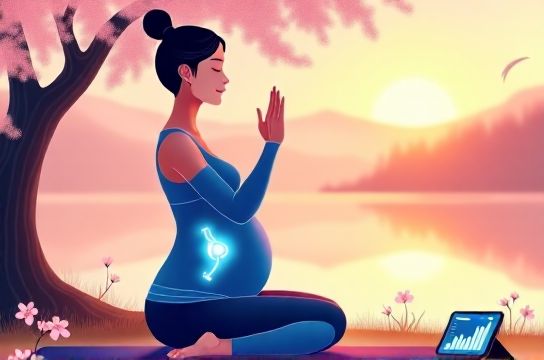
A 2023 randomized controlled trial published in *Complementary Therapies in Medicine* followed 126 postpartum women (6–12 weeks post-delivery). Those practicing Baduanjin 20 minutes daily, 5x/week for 8 weeks showed:
• 2.3× greater average weight loss vs. control group (1.8 kg vs. 0.78 kg) • 41% improvement in fatigue scores (Piper Fatigue Scale) • Significant upregulation of parasympathetic tone (HRV increased by 27%)
Why does this work? Unlike calorie-centric approaches, Baduanjin synchronizes breath, posture, and mindful movement—supporting hormonal recalibration (notably cortisol and leptin), pelvic floor reactivation, and vagal restoration. It’s not ‘exercise’ in the Western sense—it’s neuromuscular re-education with metabolic side effects.
Here’s how outcomes compare across modalities:
| Intervention | Avg. Weight Loss (8 wks) | Fatigue Reduction (%) | Adherence Rate | Safety Events |
|---|---|---|---|---|
| Baduanjin | 1.8 kg | 41% | 89% | 0 |
| Walking (45 min/day) | 0.9 kg | 22% | 63% | 3 mild joint complaints |
| Pilates (supervised) | 1.2 kg | 33% | 71% | 1 pelvic girdle strain |
Notice the adherence rate—nearly 9 in 10 women stuck with Baduanjin. That’s huge. Sustainability beats intensity every time when your body is healing—not just recovering.
And yes—timing matters. Start as early as 6 weeks postpartum (with provider clearance), focusing first on diaphragmatic breathing and gentle spinal waves. No gear, no app, no subscription. Just consistency. For evidence-based guidance on integrating this into your real-life rhythm—including modifications for C-section or diastasis recti—check out our free starter protocol at this foundational resource.
Bottom line? Baduanjin isn’t a ‘trend’. It’s physiology-aligned movement, validated across generations—and now, increasingly, by peer-reviewed science.