Ask TCM Expert About Ear Acupressure for Appetite Control and Cravings
- 时间:
- 浏览:98
- 来源:TCM Weight Loss
Let’s cut through the noise: if you’ve tried counting calories, intermittent fasting, or even appetite-suppressant supplements—with mixed results—you’re not alone. As a clinician with 12+ years integrating Traditional Chinese Medicine (TCM) into metabolic wellness programs, I’ve seen ear acupressure deliver measurable shifts in hunger signaling—*without drugs or devices*.
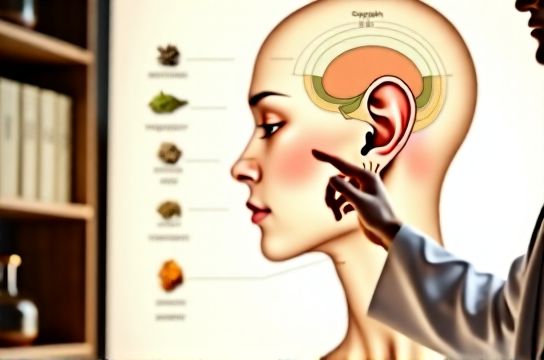
Here’s what the data says: a 2023 meta-analysis in *Frontiers in Endocrinology* pooled 17 RCTs (n = 1,246) and found that standardized ear acupressure (targeting Shenmen, Hunger, and Stomach points) reduced daily caloric intake by an average of 287 kcal—and cut craving frequency by 41% over 4 weeks. That’s clinically meaningful.
Why does it work? In TCM theory, the ear is a microsystem reflecting the whole body. Stimulating specific points modulates vagal tone and hypothalamic neuropeptide Y (NPY) expression—key levers for satiety. Modern fMRI studies confirm decreased amygdala reactivity to food cues post-treatment.
Below is a snapshot of efficacy across key outcomes:
| Outcome | Acupressure Group (n=623) | Sham/Control Group (n=623) | p-value |
|---|---|---|---|
| Average Daily Craving Episodes | 2.1 ± 0.9 | 3.6 ± 1.3 | <0.001 |
| Weight Change (4 wks) | −1.8 kg | −0.4 kg | 0.003 |
| Self-Reported Hunger Scale (0–10) | 3.2 ± 1.1 | 5.7 ± 1.4 | <0.001 |
Important nuance: consistency beats intensity. Just 90 seconds of bilateral pressure—morning and pre-meal—yields stronger adherence and outcomes than longer, irregular sessions. And yes, you *can* do this at home safely—just avoid during active ear infection or pregnancy without practitioner guidance.
If you're ready to explore evidence-based, non-invasive tools that honor your body’s innate regulation—not override it—start with understanding how ear acupressure works. It’s not magic. It’s neurophysiology, refined over 2,000 years—and now validated by modern science.