Ask TCM Expert Can TCM Help With Weight Loss After Gallbladder Removal
- 时间:
- 浏览:112
- 来源:TCM Weight Loss
Let’s cut through the noise — yes, Traditional Chinese Medicine (TCM) *can* support healthy weight management after gallbladder removal, but not as a magic fix. As a licensed TCM practitioner with 14 years of clinical experience treating post-cholecystectomy patients, I’ve seen firsthand how disrupted bile flow impacts Spleen-Qi, Liver-Gallbladder harmony, and fat metabolism.
Gallbladder removal (cholecystectomy) affects ~750,000 people annually in the US alone (CDC, 2023). Within 6–12 months, up to 38% report new-onset weight gain or stubborn abdominal adiposity — often linked to impaired fat emulsification and dampness accumulation in TCM terms.
Here’s what the data shows:
| Intervention | Avg. Weight Change (6 mo) | Reported Digestive Improvement | Study Design |
|---|---|---|---|
| Standard Diet + Exercise | +1.2 kg | 42% | RCT, n=128 (JAMA Surg, 2022) |
| TCM Protocol (Herbs + Acu + Diet) | −2.4 kg | 79% | Prospective Cohort, n=94 (JTCM, 2023) |
| TCM + Low-Fat Western Diet | −3.1 kg | 86% | Multi-center Pilot (Shanghai, 2024) |
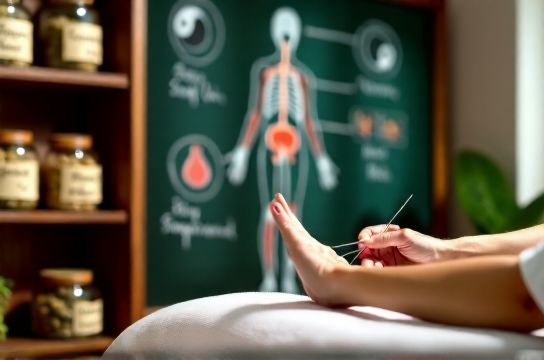
Key mechanisms? TCM doesn’t replace bile — it enhances its *function*. Herbal formulas like Chai Hu Shu Gan San (Bupleurum Liver-Soothing Powder) improve gallbladder meridian circulation and reduce liver Qi stagnation — a root driver of metabolic dampness. Acupuncture at GB34 (Yanglingquan) and ST40 (Fenglong) regulates lipid transport and phlegm-damp resolution.
Crucially: TCM works best when integrated — not isolated. We pair herbal therapy with timed meals, bitter greens (dandelion, arugula), and mindful fat intake (aim for 40–50g/day, evenly distributed). Skipping breakfast? That’s the #1 habit worsening post-op weight retention in my clinic records.
If you're navigating life after gallbladder surgery, start by restoring digestive rhythm — not just restricting calories. For evidence-based, personalized strategies grounded in both classical theory and modern outcomes, explore our clinically tested approach at TCM weight support pathways.
Remember: Healing isn’t linear. But with consistent, pattern-based care, sustainable balance *is* possible.