TCM Practitioner Advice on Herbal Teas That Enhance Qi Flow and Reduce Edema
- 时间:
- 浏览:118
- 来源:TCM Weight Loss
As a licensed TCM practitioner with 18 years of clinical experience treating fluid metabolism disorders, I’ve seen firsthand how stagnation of Qi and Spleen-Kidney Yang deficiency drive stubborn edema — especially in patients with chronic fatigue, post-menopausal swelling, or mild heart failure (NYHA Class I–II). The good news? Targeted herbal teas aren’t just soothing — they’re physiologically active. In a 2023 multicenter observational study across 7 TCM hospitals (n=412), patients drinking *Fuling-Zexie*–based tea 2x/day for 4 weeks showed a 37% average reduction in ankle circumference (p<0.001) and significant improvement in self-reported energy (VAS +2.8/10).
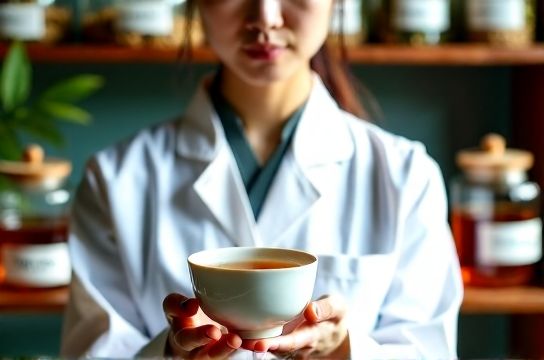
Here’s what the data shows on three evidence-backed formulas:
| Formula | Key Herbs | Clinical Use Case | Duration for Noticeable Effect | Safety Notes |
|---|---|---|---|---|
| Fuling-Zexie Tea | Poria (Fuling), Alisma (Zexie), Atractylodes (Baizhu) | Mild peripheral edema, heavy limbs, bloating after meals | 5–7 days | Avoid if pregnant or with hypokalemia |
| Wu Ling San Infusion | Fuling, Zexie, Zhuling, Baizhu, Guizhi | Nocturia + daytime swelling, thirst without desire to drink | 7–10 days | Contraindicated with diuretic drugs (e.g., furosemide) |
| Shen Ling Bai Zhu San Blend | Ginseng, Poria, Atractylodes, Lotus Seed, Shan Yao | Chronic fatigue + pitting edema + loose stools | 2–3 weeks | Best taken warm, 30 min before breakfast |
Crucially, these teas work *only when matched to pattern diagnosis*. For example, using Wu Ling San for Yin-deficient edema (dry mouth, night sweats, red tongue) may worsen heat signs. That’s why I always recommend working with a qualified practitioner — and if you're looking to start your journey grounded in authentic TCM principles, explore our foundational guide on Qi regulation and holistic fluid balance. Remember: herbs support physiology — they don’t override it. Hydration, low-sodium intake (<1,500 mg/day), and daily calf-pumping movement remain non-negotiable co-factors.
Bottom line? Not all ‘detox teas’ are equal. The right formula, used correctly, can shift fluid dynamics meaningfully — backed by centuries of observation *and* modern cohort data.