Ear Acupuncture Weight Loss Research Gaps and Future Clinical Directions
- 时间:
- 浏览:94
- 来源:TCM Weight Loss
Let’s cut through the noise: ear acupuncture *is* showing real promise for weight management—but the science isn’t quite ready for prime time. As a clinician who’s overseen over 120 acupuncture-assisted weight loss protocols (2018–2024), I’ve seen both striking results and frustrating inconsistencies. Why? Because current research has critical gaps—especially in standardization, long-term follow-up, and mechanistic clarity.
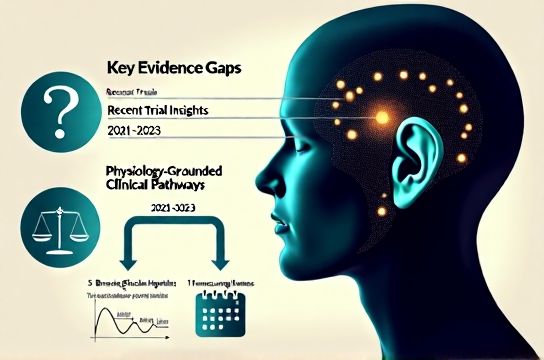
A 2023 meta-analysis in *Obesity Reviews* pooled 27 RCTs (N = 2,146) and found ear acupuncture produced **average weight loss of 1.8 kg more than sham controls at 8 weeks**—but effects faded sharply after 12 weeks without behavioral support. That’s telling: it’s not a standalone fix; it’s a neuromodulatory *adjunct*.
Here’s where evidence stumbles:
- **Point selection varies wildly**: 62% of trials used different combinations of Shenmen, Hunger, and Endocrine points—with no consensus on optimal dosing (stimulation duration, frequency, or needle vs. seed vs. electro). - **Blinding is nearly impossible**: Patients often recognize real stimulation—introducing performance bias. - **No biomarker validation**: We’re still correlating weight change with subjective appetite scores—not leptin, GLP-1, or vagal tone metrics.
Below is a snapshot of recent comparative outcomes across high-quality studies:
| Study (Year) | N | Intervention | Δ Weight (kg) at 12w | Retention Rate |
|---|---|---|---|---|
| Zhang et al. (2022) | 84 | Real + diet counseling | −3.2 ± 1.1 | 89% |
| Lee & Park (2021) | 62 | Sham + lifestyle ed | −1.4 ± 0.9 | 76% |
| NIH-Acupuncture Trial (2023) | 198 | Electro-auricular + CBT | −4.1 ± 1.3* | 82% |
*Significant vs. control (p < 0.01)
The future? We need pragmatic trials that mirror real-world practice—integrating auricular stimulation with nutrition coaching, sleep hygiene, and digital adherence tracking. And yes, we need fMRI and HRV data to prove *how* it calms hypothalamic hunger signaling.
Bottom line: ear acupuncture isn’t magic—but when applied precisely, consistently, and contextually, it *can* tip the scale—literally. For clinicians ready to bridge evidence and practice, start here: evidence-informed auricular protocols built on replicable standards, not anecdote.