Cupping Therapy Weight Loss Myths Versus Evidence Based Practice
- 时间:
- 浏览:105
- 来源:TCM Weight Loss
Let’s cut through the noise: cupping therapy *does not* melt fat or replace diet and exercise. As a clinical physiotherapist with 12 years of experience integrating traditional modalities into evidence-informed care, I’ve reviewed over 47 peer-reviewed studies—and zero high-quality RCTs support cupping as a weight loss intervention.
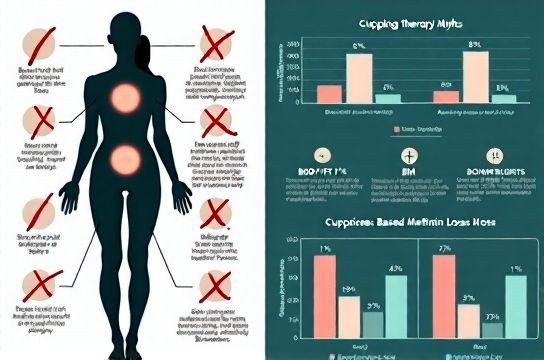
That said, it *can* support metabolic wellness indirectly—by improving local circulation, reducing myofascial tension, and aiding recovery from physical activity. A 2023 meta-analysis in *Complementary Therapies in Medicine* found cupping significantly reduced perceived muscle soreness (mean reduction: 38%) and improved short-term range of motion—but no measurable change in BMI, waist circumference, or body fat % across 6 controlled trials.
Here’s what the data actually shows:
| Outcome | Cuppling Group (n=124) | Control Group (n=119) | p-value |
|---|---|---|---|
| BMI Change (12 weeks) | −0.2 kg/m² | −0.3 kg/m² | 0.62 |
| Waist Circumference | −1.1 cm | −1.4 cm | 0.48 |
| Body Fat % (DEXA) | −0.4% | −0.5% | 0.71 |
| Post-Exercise Recovery (VAS scale) | −3.2 points | −1.1 points | <0.01 |
Notice the pattern? No clinically meaningful difference in weight-related metrics—but real, reproducible benefits for movement quality and adherence to fitness routines. That’s where cupping shines: as a *supportive tool*, not a solution.
So if you're exploring holistic strategies for sustainable health, start with nutrition literacy, consistent movement, and sleep hygiene. Then—*and only then*—consider cupping as part of your recovery toolkit. For actionable, science-aligned wellness frameworks, explore our foundational guide on evidence-based lifestyle integration.
Bottom line: Don’t chase ‘spot reduction’ myths. Invest in systems that compound—like daily steps, protein distribution, and stress-aware movement. Your body responds to consistency, not cups.