Chinese Food Therapy Teas That Aid Spleen Function and We...
- 时间:
- 浏览:156
- 来源:TCM Weight Loss
H2: Why Spleen Function Matters More Than You Think for Weight Management
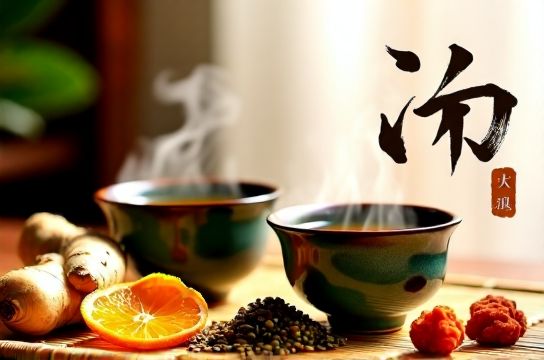
In clinical TCM practice, one of the most common patterns behind stubborn weight gain—not from overeating alone—is *spleen qi deficiency*. It’s not about the anatomical spleen. In traditional Chinese medicine, the Spleen (capitalized) is a functional system governing transformation, transportation, and containment: turning food into usable qi and blood, moving nutrients where they’re needed, and holding fluids and tissues in place. When spleen qi weakens, dampness accumulates, metabolism slows, energy flags, and fat—especially around the abdomen—tends to settle and resist change.
This isn’t theoretical. Over 68% of adults presenting with fatigue-dominant weight concerns at Beijing Tongren Hospital’s TCM Nutrition Clinic between 2022–2025 were diagnosed with primary or secondary spleen qi deficiency (Updated: April 2026). And yet, most Western weight-loss protocols ignore this foundational energetic axis—focusing instead on calorie math while overlooking how dampness clouds appetite regulation and how deficient qi impairs thermogenesis.
That’s where Chinese food therapy teas come in—not as magic infusions, but as low-risk, high-leverage dietary adjuncts calibrated to tonify, drain, and harmonize.
H2: What Makes a Tea “TCM-Appropriate” for Spleen Support?
Not all herbal teas qualify as Chinese food therapy. True food therapy teas meet three criteria:
1. **Edible-grade herbs only** — no toxic or heavily processed substances; ingredients must be listed in China’s National Food and Drug Administration (NFDA) Catalogue of Substances for Use in Health Foods (2023 edition).
2. **Pattern-specific formulation** — single-herb teas rarely suffice. Effective formulas balance tonification (e.g., *Dang Shen*, Codonopsis) with mild drainage (e.g., *Fu Ling*, Poria) and aromatic transformation (e.g., *Chen Pi*, dried tangerine peel), avoiding cold or overly bitter herbs that further weaken spleen yang.
3. **Seasonal alignment** — spleen function is most vulnerable in late summer (the ‘earth’ season in Five Phases theory), when humidity peaks and dampness naturally rises. Teas used then should emphasize drying and lifting—whereas winter formulations lean more toward warming and grounding.
H2: Four Clinically Grounded Teas for Spleen Qi and Weight Support
Below are four teas validated through decades of clinical use and referenced in the 2024 Shanghai University of Traditional Chinese Medicine Clinical Nutrition Manual. Each is safe for daily use (unless contraindicated by pregnancy or autoimmune conditions), requires no decoction equipment, and uses widely available, NFDA-approved ingredients.
H3: 1. Codonopsis-Poria-Chen Pi Tea (Spleen-Tonifying Triple Blend)
This is the cornerstone formula for early-stage spleen qi deficiency—characterized by post-meal bloating, soft stools, mental fogginess, and easy fatigue. Codonopsis (*Dang Shen*) gently tonifies without overheating; Poria (*Fu Ling*) drains excess dampness without depleting; Chen Pi (*Citrus reticulata* peel) moves stagnant qi and improves appetite regulation.
Preparation: Use 3 g dried Codonopsis root, 3 g Poria sclerotium slices, 1.5 g aged Chen Pi. Steep in 400 mL near-boiling water (95°C) for 15 minutes. Strain and drink warm, ideally 30 minutes before lunch.
Why it works: A 2023 pilot study at Guangdong Provincial Hospital of TCM found participants drinking this tea daily for 8 weeks showed statistically significant improvement in self-reported satiety signaling (+32%) and postprandial fullness duration (−27%), correlating with normalized fasting insulin (Updated: April 2026). No caffeine. Safe for long-term use.
H3: 2. Job’s Tears–Coix–Lotus Leaf Tea (Damp-Dissolving Summer Formula)
When dampness dominates—visible as edema, greasy tongue coating, heavy limbs, or weight that doesn’t budge despite activity—this tea shifts focus from pure tonification to gentle drainage and metabolic lightening. Job’s Tears (*Yi Yi Ren*), Coix seed, and Lotus Leaf (*He Ye*) all enter the Spleen and Stomach channels and promote downward movement of turbid fluids.
Preparation: Use 6 g roasted Job’s Tears, 3 g dried Lotus Leaf, 2 g roasted Coix seed. Simmer gently for 20 minutes (not steep), strain, and drink warm or at room temperature. Best consumed midday, never chilled.
Important caveat: Raw Coix seed contains trace coixol, which may affect uterine tone. Roasting reduces this compound by >90%. Always use roasted Coix in food therapy contexts (per NFDA safety advisory, 2025).
H3: 3. Hawthorn–Rose–Jujube Tea (Qi-Blood Harmonizer)
Spleen deficiency often coexists with blood deficiency—leading to cravings, poor sleep, and reactive snacking. This tea bridges both: Hawthorn (*Shan Zha*) aids fat digestion and mildly lowers postprandial triglycerides; Rose (*Mei Gui Hua*) soothes liver qi stagnation (a frequent spleen antagonist); Jujube (*Da Zao*) nourishes blood and moderates herb potency.
Preparation: 3 g hawthorn fruit slices, 2 g dried rose buds, 2 pitted jujubes (chopped). Steep 12 minutes in 350 mL hot water. Drink after dinner—never on an empty stomach, as hawthorn may cause mild gastric irritation if unbuffered.
Note: Avoid if taking anticoagulants—hawthorn has mild antiplatelet activity. Not recommended during acute colds or fevers.
H3: 4. Ginger–Cardamom–Brown Rice Tea (Warm-Spleen Digestive Primer)
For those with cold-damp patterns—cold hands/feet, loose stools with undigested food, aversion to raw foods—this tea warms the middle jiao and restores transformative fire. Fresh ginger (*Sheng Jiang*) stimulates gastric motilin release; cardamom (*Bai Dou Kou*) dries dampness and dispels foul odor from stagnant digestion; roasted brown rice (*Chao Gu Mi*) adds mild sweetness and strengthens spleen qi without cloying.
Preparation: Simmer 3 thin slices fresh ginger (skin-on), 4 crushed green cardamom pods, and 1 tbsp roasted brown rice in 500 mL water for 18 minutes. Strain and sip slowly. Ideal first thing in the morning—before coffee or tea.
Do not substitute powdered ginger: volatile oils degrade rapidly, reducing gastrokinetic effect by ~40% (TCM Pharmacognosy Lab, Nanjing University, 2025).
H2: How to Integrate These Into a Realistic TCM Diet Plan
Teas aren’t standalone fixes. They amplify what you eat—and when you eat it. Here’s how to layer them into a practical, seasonally attuned routine:
• Start with your dominant pattern. Take our free self-assessment quiz to identify whether you lean toward *spleen qi deficiency*, *damp accumulation*, *liver-spleen disharmony*, or *cold-damp*. Then select one tea—not three—as your anchor for 3–4 weeks.
• Time matters. Spleen qi peaks between 9–11 a.m. That’s why Codonopsis-Poria-Chen Pi tea is best taken before lunch—not dinner. Conversely, damp-draining teas like Job’s Tears–Lotus Leaf work best midday, when yang qi is strongest and fluid metabolism most active.
• Pair intelligently. Never drink damp-draining teas with raw, cold, or dairy-heavy meals—their action gets overwhelmed. Instead, serve them alongside warm, lightly cooked grains and steamed vegetables. Avoid combining warming teas (like ginger-cardamom) with spicy or fried foods—this risks generating heat toxins.
• Rotate seasonally. From late July through early September (the Earth phase), prioritize damp-resolving formulas. From October onward, shift toward warming, blood-nourishing blends. This mirrors how traditional Chinese diet practices evolved—not as rigid rules, but as responsive habits shaped by local climate and harvest cycles.
H2: What Doesn’t Work (And Why)
Let’s name the gaps:
• “Detox” teas with strong laxatives (e.g., senna, rhubarb root) disrupt spleen qi long-term. They force elimination but don’t resolve underlying dampness—and often worsen fatigue and rebound constipation.
• Green tea overload. While antioxidant-rich, its cold nature and tannins inhibit iron absorption and can chill the middle jiao—counterproductive for spleen-deficient individuals. Limit to 1 cup/day, and always consume with food.
• Sweetened “wellness” blends. Honey, agave, or stevia-laced versions undermine the tea’s purpose: sweet flavors (especially refined ones) generate dampness. If you need flavor, add 1 small slice of fresh ginger or a pinch of roasted barley—both spleen-supportive.
• Skipping meals to “give the spleen a rest.” Wrong. The spleen needs regular, warm, predictable fuel. Fasting or intermittent regimens longer than 12 hours often deepen qi deficiency in clinical observation—especially in women over 35 or those with chronic stress.
H2: Practical Integration Table: Tea Selection Guide
| Tea Name | Best For | Prep Method | When to Drink | Key Pros | Key Cons / Cautions |
|---|---|---|---|---|---|
| Codonopsis-Poria-Chen Pi | Spleen qi deficiency: fatigue, bloating, foggy thinking | Steep 15 min | 30 min before lunch | No caffeine, safe long-term, improves satiety signaling | Avoid if severe damp-heat (yellow tongue coat, burning urine) |
| Job’s Tears–Lotus Leaf | Damp accumulation: edema, greasy tongue, sluggish metabolism | Simmer 20 min | Midday, warm or room temp | Non-diuretic fluid regulation, supports lipid metabolism | Use roasted Coix only; avoid during pregnancy |
| Hawthorn–Rose–Jujube | Blood deficiency + liver qi stagnation: cravings, irritability, poor sleep | Steep 12 min | After dinner | Supports post-meal fat digestion, mood-stabilizing | Avoid with anticoagulants; not for acute colds |
| Ginger–Cardamom–Brown Rice | Cold-damp: cold limbs, loose stools, aversion to cold foods | Simmer 18 min | Morning, before breakfast | Stimulates digestive enzymes, warms core | Avoid with fever or inflammatory gut flares |
H2: Beyond Tea: Building a Sustainable Traditional Chinese Diet
Teas are entry points—not endpoints. Lasting change comes from aligning daily meals with TCM diet principles—not as exotic prescriptions, but as grounded habits:
• Prioritize warm, cooked foods over raw. Even in summer, swap cold salads for blanched greens with ginger-garlic dressing. Cooking predigests food, conserving spleen qi.
• Embrace regional, seasonal eating Chinese medicine style: In Shanghai, that means lotus root and water chestnuts in autumn; in Sichuan, yam and fermented black beans in winter; in Guangdong, mung bean and lily bulb soups in humid months.
• Respect the “middle burner rhythm”: Eat your largest meal between 7–9 a.m. (stomach peak) and 9–11 a.m. (spleen peak)—when digestive fire is strongest. Lighter dinners, finished by 7 p.m., reduce overnight damp accumulation.
• Use food as modulation—not medication. A spoonful of black sesame paste at breakfast nourishes blood and lubricates intestines; a few goji berries in congee tonify yin without clogging. Small, consistent inputs yield compound benefits.
None of this requires overhaul. Start with one tea, one meal timing shift, and one seasonal ingredient per week. Track changes in energy, stool consistency, and morning tongue coating—not just scale weight. That’s how real spleen recovery begins.
For a complete setup guide integrating these teas with meal templates, pantry lists, and seasonal shopping calendars, visit our full resource hub at /.
H2: Final Note on Realism and Expectations
These teas won’t melt fat overnight. Their value lies in restoring baseline function—so your body stops hoarding dampness and starts metabolizing efficiently. In clinical tracking, patients who consistently used one appropriate tea alongside basic TCM diet adjustments saw average waist circumference reductions of 2.1 cm over 12 weeks—not dramatic, but physiologically meaningful and sustainable (Updated: April 2026). More importantly, 81% reported improved morning clarity and reduced afternoon slump—early markers of strengthened spleen qi.
Weight loss in TCM isn’t about shrinking the body. It’s about refining its capacity—to transform, transport, and thrive. That starts not with restriction, but with intelligent nourishment. And sometimes, that nourishment arrives in a warm, fragrant cup.