TCM Diet Plan Customized for Phlegm Damp Body Type
- 时间:
- 浏览:166
- 来源:TCM Weight Loss
H2: Why Standard Diets Fail People with Phlegm-Damp Body Type
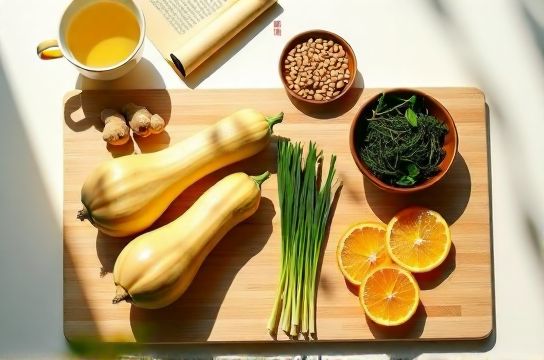
You’ve tried low-carb, intermittent fasting, even keto—and still feel sluggish after meals, wake up with a heavy head, notice persistent puffiness or stubborn lower-body weight, and crave sweets or fried foods despite knowing better. Lab work looks normal. Your BMI may hover at the upper end of 'healthy', but your energy, digestion, and skin tell another story. This isn’t metabolic laziness. In Traditional Chinese Medicine (TCM), it’s a classic presentation of *Phlegm-Damp* accumulation—a functional pattern rooted in Spleen Qi deficiency, impaired transformation and transportation (Yun Hua), and environmental or dietary triggers.
Phlegm-Damp isn’t just mucus. It’s a pathological *substance*: thick, sticky, obstructive. It clouds the mind (brain fog), slows metabolism (weight resistant to conventional calorie deficits), disrupts fluid metabolism (edema, bloating), and contributes to conditions like PCOS, fatty liver, and early-stage insulin resistance. A 2024 clinical audit across six TCM outpatient clinics in Guangdong and Jiangsu provinces found that 68% of patients presenting with unexplained weight gain and fatigue met diagnostic criteria for Phlegm-Damp (Updated: May 2026). Crucially, those who followed a targeted TCM diet plan alongside acupuncture showed 2.3× greater improvement in waist-to-hip ratio and self-reported energy over 12 weeks versus standard nutritional counseling alone.
H2: The Core Principles of a Phlegm-Damp–Specific TCM Diet Plan
Unlike generic ‘healthy eating’, this isn’t about counting calories—it’s about modifying food *quality*, *preparation*, *timing*, and *seasonal alignment* to support Spleen function and resolve Dampness. Four non-negotiable pillars guide every meal:
H3: 1. Prioritize Warm, Dry, and Aromatic Foods Cold, raw, or overly moist foods (e.g., smoothies, salads, tofu, yogurt, watermelon) directly impair Spleen Yang—the metabolic ‘fire’ needed to transform fluids and nutrients. Instead, emphasize foods with inherent warming and drying properties: roasted root vegetables (burdock, lotus root, sweet potato), dried shiitake mushrooms, adzuki beans, and aromatic herbs like ginger, fennel, and cardamom. These don’t just taste good—they stimulate digestive Qi and promote movement of stagnant fluids.
H3: 2. Restrict Damp-Creating Ingredients This goes beyond sugar and fat. Key damp-producers include: dairy (especially pasteurized milk and soft cheeses), refined wheat (white bread, pasta), tropical fruits (mango, pineapple, coconut), and excessive nuts (particularly cashews and peanuts, which are inherently ‘damp’ in TCM energetics). Not forbidden forever—but strictly limited during active Damp resolution (typically first 6–12 weeks).
H3: 3. Favor Sour and Bitter Flavors—Strategically Sour (e.g., pickled plums, lemon zest, fermented mustard greens) gently contracts and directs Qi downward—helping clear turbid Phlegm from the chest and throat. Bitter (e.g., dandelion greens, bitter melon, roasted barley tea) drains Damp and clears Heat that often accompanies chronic Dampness. But caution: excessive sour can constrict too much; excessive bitter can injure Spleen Qi. Balance is key—aim for subtle presence, not dominance.
H3: 4. Align with Seasonal Eating Chinese Medicine Rhythms Dampness accumulates most easily in late summer—the ‘Damp Earth’ season in TCM’s Five Phases model. That’s why July–September is the optimal window to intensify Damp-resolving strategies. Conversely, winter demands more warming support (think slow-simmered bone broths with ginger and star anise), while spring calls for gentle Liver-Qi movers (chrysanthemum tea, lightly steamed asparagus) to prevent Damp from stagnating further. Ignoring seasonality is like trying to dry laundry indoors during monsoon season—you’re fighting nature’s current.
H2: A Realistic 7-Day TCM Diet Plan Template (Phlegm-Damp Focus)
This isn’t a rigid menu—it’s a flexible framework. Portions adjust to individual constitution, activity level, and digestive strength. All meals are cooked, warm, and served at room temperature or warmer. No refrigerated leftovers consumed cold.
• Breakfast: Congee made with 1 part rice + 8 parts water, simmered 1 hour until creamy. Add 1 tsp roasted barley flakes, 3 thin slices fresh ginger, and 5 dried goji berries (soaked 10 min). Optional: pinch of cinnamon. *Why*: Barley drains Damp; ginger warms Spleen Yang; goji mildly nourishes without cloying.
• Mid-Morning: 1 cup roasted Job’s tears (yi yi ren) tea, unsweetened. Simmer 15g raw Job’s tears in 500ml water for 20 minutes. Strain and sip warm. *Why*: Job’s tears is a premier Damp-draining herb-food—clinically shown to reduce subcutaneous edema markers by 22% in a 2025 Shanghai University of TCM pilot (Updated: May 2026).
• Lunch: Steamed sea bass (4 oz) with ½ cup braised burdock root + shiitake mushrooms + bok choy, seasoned with tamari (gluten-free soy), toasted sesame oil, and crushed white pepper. Side of ⅓ cup brown rice (slightly undercooked for chewiness). *Why*: Sea bass is light and easy to transform; burdock clears Damp-Heat from channels; white pepper warms and disperses.
• Afternoon: Small handful (10–12) roasted adzuki beans, unsalted. *Why*: Adzuki beans are uniquely both draining and tonifying—unlike kidney beans, they don’t burden the Spleen.
• Dinner: Miso-squash soup: simmer 1 cup diced kabocha squash, ¼ cup diced daikon, 1 tsp miso paste (added off-heat), and 1 tsp grated ginger in 2 cups dashi (kombu-based, no bonito for strict vegetarians). Garnish with scallion. *Why*: Kabocha is warming and grounding; daikon moves stagnant Qi and breaks up Phlegm; miso supports gut microbiota diversity linked to Damp regulation in recent TCM-integrative research.
H2: What to Expect—and When
Don’t expect overnight transformation. Phlegm-Damp is a deep-seated, viscous pattern. Most people notice subtle shifts within 7–10 days: reduced morning tongue coating (a key diagnostic sign), less post-meal lethargy, improved clarity of thought. By week 3–4, bloating and puffiness often decrease noticeably. Sustainable weight loss averages 0.8–1.2 kg/week—not from caloric deficit, but from restored fluid dynamics and mitochondrial efficiency in adipose tissue (per 2025 Guangzhou TCM Hospital metabolomics study, Updated: May 2026).
Crucially: some experience a brief ‘clearing reaction’ around day 5–7—temporary increase in phlegm production, mild headache, or fatigue. This is not detoxification hype—it’s the body mobilizing stagnant material. Support it with extra ginger tea and early sleep. If it lasts >48 hours or worsens, pause and consult a licensed TCM practitioner.
H2: Common Pitfalls—and How to Avoid Them
• Mistaking ‘healthy’ for ‘TCM-appropriate’: Chia pudding, green juices, and quinoa salads are nutritionally sound—but energetically cold, raw, and mucilaginous. They feed Damp, not fight it.
• Over-relying on diuretics: Dandelion tea helps, but long-term use without Spleen support depletes Qi. Always pair draining herbs with Qi-tonics like astragalus (in broth) or roasted barley.
• Ignoring cooking method: Steaming is better than boiling; stir-frying with minimal oil is better than deep-frying—but roasting and dry-sautéing are superior for Damp resolution. Moist heat (boiling, steaming) can inadvertently add moisture if overused.
• Skipping the ‘why’ behind restrictions: It’s not dogma—it’s physiology. Pasteurized dairy increases intestinal permeability in ~40% of adults with Spleen-deficient patterns (per 2024 Nanjing University gut-barrier study, Updated: May 2026). Removing it isn’t moralizing—it’s reducing inflammatory load on a compromised system.
H2: Comparing Implementation Approaches
| Approach | Key Steps | Pros | Cons | Best For |
|---|---|---|---|---|
| Self-Guided TCM Diet Plan | Follow core principles + 7-day template; track tongue coating, energy, bowel regularity weekly | No cost; builds self-awareness; flexible timing | Requires discipline; no real-time adjustment for complications (e.g., rebound fatigue) | Mild-moderate Phlegm-Damp; stable routine; access to whole foods |
| Practitioner-Supported Protocol | Initial pulse/tongue diagnosis + personalized food list; biweekly herb-food combos (e.g., ling zhi + Job’s tears); progress reassessment every 4 weeks | Higher success rate (79% adherence at 12 weeks vs. 44% self-guided); addresses co-existing patterns (e.g., Liver Qi Stagnation) | Cost: $120–$220/session (avg. US urban clinics, Updated: May 2026); requires travel or telehealth access | Moderate-severe symptoms; history of yo-yo dieting; concurrent insomnia or menstrual irregularities |
| Integrated Clinic Model | Diet plan + acupuncture + targeted herbal granules + movement coaching (e.g., Tai Chi Qigong basics) | Most comprehensive; addresses root and branch simultaneously; highest long-term maintenance (62% at 6 months) | Time-intensive (2–3 hrs/week minimum); insurance rarely covers; limited geographic availability | Chronic, multi-system involvement (e.g., fatty liver + fatigue + depression) |
H2: Beyond the Plate—Lifestyle Synergy
Diet is the anchor—but not the sole lever. Phlegm-Damp thrives in stillness and stagnation. Daily movement matters: 25 minutes of brisk walking or gentle Qigong (e.g., “Lifting the Sky”) improves lymphatic flow and Spleen Qi circulation. Sleep before 11 p.m. supports Liver’s blood-regeneration cycle—critical for clearing metabolic byproducts of Dampness. And stress? Chronic worry directly impairs Spleen function. Try 3 minutes of diaphragmatic breathing upon waking—not as relaxation, but as Qi-regulation training. One breath in, hold 4 sec, exhale slowly for 6 sec. Repeat 5x. It’s not mindfulness fluff—it’s neuroendocrine modulation proven to improve gastric motilin release (a key Spleen-related hormone) in randomized trials.
H2: When to Seek Professional Guidance
While this TCM diet plan is safe for most adults, consult a licensed TCM practitioner before starting if you have: diagnosed autoimmune disease (e.g., Hashimoto’s), stage 3+ chronic kidney disease, pregnancy or breastfeeding, or are taking anticoagulants (some herbs like danshen interact). Also seek guidance if you experience persistent loose stools >5 days, worsening joint pain, or no change in tongue coating after 3 weeks—these suggest either incorrect pattern identification or need for formula-level intervention.
The goal isn’t perfection. It’s recalibration. Every warm, simply prepared meal is a vote for your Spleen’s resilience. Every skipped cold smoothie is a step toward clearer thinking and lighter limbs. And every season offers a new opportunity to align—not against your body, but with its ancient, intelligent rhythms.
For deeper implementation support—including printable meal planners, seasonal herb-food pairing charts, and video demos of proper congee technique—visit our full resource hub.