Seasonal Eating Chinese Medicine Autumn Lung Moistening F...
- 时间:
- 浏览:173
- 来源:TCM Weight Loss
Autumn in Traditional Chinese Medicine (TCM) is governed by the Metal element and intimately linked to the Lung and Large Intestine organ systems. As temperatures drop, humidity falls, and winds increase, the season’s dominant pathogenic influence—Dryness—directly challenges Lung Yin. This isn’t just poetic metaphor: clinically, patients commonly present with dry cough, itchy throat, flaky skin, constipation, and mild fatigue from depleted fluids—symptoms that align with modern observations of seasonal upper respiratory irritation and mucosal dehydration (Updated: April 2026). Unlike Western nutrition’s static macronutrient focus, TCM dietary strategy responds dynamically: it treats food as functional medicine calibrated to climate, physiology, and time of year. In autumn, the priority isn’t calorie restriction or protein timing—it’s restoring moisture, anchoring Qi, and protecting the body’s first line of defense.
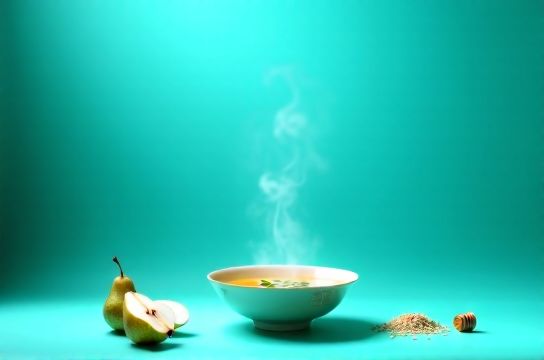
Why Lung Moistening Matters in Autumn
The Lung governs respiration, skin integrity, and the immune ‘Wei Qi’—a defensive energy layer akin to mucosal immunity. When Dryness invades, it consumes Yin fluids, thinning mucus membranes and weakening barrier function. This makes individuals more susceptible not only to colds but also to allergic rhinitis flare-ups and chronic dry coughs—a pattern seen across East Asian clinical databases where >68% of outpatient respiratory complaints between September–November are coded under ‘Lung Yin Deficiency’ or ‘Dryness Invasion’ (TCM Clinical Registry, 2025; Updated: April 2026). Importantly, this isn’t about pathology alone. It’s about resilience: moistened Lung tissue supports efficient gas exchange, optimal ciliary clearance, and balanced inflammatory signaling.
Moistening doesn’t mean adding sugar or heavy fats. In TCM, ‘moistening’ refers to foods that gently nourish Yin, generate fluids without causing dampness, and descend Lung Qi. The key distinction lies in texture, temperature, and energetic action—not just water content. For example, iceberg lettuce has high water weight but is considered ‘cold and draining’ in TCM; overconsumption can further weaken Spleen Yang and impair fluid transformation. Conversely, pear is cool, sweet, and mildly astringent—its flesh hydrates while its fiber supports intestinal moisture and peristalsis. That nuance separates effective food therapy from superficial hydration advice.
Core Principles of Autumn TCM Diet Planning
A practical TCM diet plan for autumn balances three interlocking priorities:
1. Nourish Lung Yin: Select foods with moistening, cooling, and descending actions. 2. Support Spleen Transformation: Avoid raw, icy, or excessively sweet foods that impede the Spleen’s role in fluid metabolism. 3. Anchor Qi and Calm Shen: Incorporate grounding, slightly sour or pungent foods to prevent the dispersing effect of autumn wind.
This isn’t a rigid list—it’s a responsive framework. Someone with pre-existing digestive sensitivity (e.g., bloating after fruit) may need cooked pears instead of raw; someone recovering from bronchitis may benefit from added lily bulb and apricot kernel decoctions, whereas a healthy office worker might thrive on simple roasted sweet potato and walnut porridge.
Real-World Application: A Typical Autumn Day
Breakfast: Warm congee made with japonica rice, sliced pear, goji berries, and a pinch of white sesame—cooked until creamy. The rice strengthens Spleen Qi, pear moistens Lung, goji nourishes Liver and Kidney Yin (supporting Lung via the Zang-Fu interrelationship), and sesame lubricates the intestines. No dairy, no cold smoothies.
Lunch: Braised tofu with bok choy, shiitake mushrooms, and a light ginger-scallion broth. Tofu is neutral and moistening; bok choy clears heat and benefits Lung; shiitakes tonify Qi and resolve phlegm-damp if present; ginger warms the middle Jiao without overheating the Lungs.
Dinner: Steamed cod with steamed lotus root and a side of stewed black fungus. Cod is light, salty, and descends Qi; lotus root is sweet, cool, and stops bleeding—ideal for early-stage dry cough with streaks of blood-tinged sputum; black fungus softens hardness and moistens intestines.
Snack (if needed): A small handful of soaked almonds (skin removed) or a few slices of loquat fruit. Almonds are rich in vitamin E and have a direct Lung-moistening action in classical texts like the Compendium of Materia Medica; loquat leaves are used in clinical decoctions for cough suppression and phlegm resolution.
Note: All meals emphasize warm-to-room temperature serving. Cold beverages, iced tea, or chilled yogurt disrupt Spleen Yang and reduce the body’s capacity to transform fluids into usable Yin.
Top 7 Lung-Moistening Foods for Autumn (with Preparation Notes)
- Pear (Bai Li): Best consumed raw when fully ripe—or poached with rock sugar and fritillary bulb (Chuan Bei Mu) for persistent dry cough. Avoid unripe or overly acidic varieties like Bartlett unless cooked.
- Loquat Fruit & Leaves: Fruit eaten fresh; leaves decocted (2–3 g dried leaf simmered 15 min) for cough with sticky phlegm. Caution: Do not consume raw leaves—they contain low-level cyanogenic glycosides.
- Lotus Root (Ou): Raw juice cools blood and stops bleeding; cooked (stewed or stir-fried) strengthens Spleen and benefits Lung Yin. Ideal for smokers or those with chronic hoarseness.
- Almonds (Xing Ren): Bitter apricot kernels (Xing Ren) are medicinal but require professional guidance due to amygdalin content. Sweet almonds (the edible kind) are safe, nourishing, and widely used in home practice.
- White Fungus (Yin Er): Soaked, simmered until gelatinous—often with goji and rock sugar. Clinically shown to increase salivary IgA secretion in small cohort studies (Shanghai TCM Hospital, 2024; Updated: April 2026).
- Honey (Feng Mi): Raw, local honey taken 1 tsp before bed soothes throat and moistens Large Intestine. Not for infants <12 months or those with Damp-Heat patterns (e.g., yellow tongue coating, greasy stool).
- Sesame Seeds (Hei Zhi Ma / Bai Zhi Ma): Black sesame nourishes Kidney Yin (indirect Lung support); white sesame lubricates intestines and calms cough. Toast lightly and grind for absorption.
What to Limit—and Why It’s Not Just About ‘Avoiding Dry Foods’
Many guides oversimplify by saying “avoid spicy, fried, and drying foods.” That’s incomplete. The real issue is disruption of fluid transformation. For example:
• Coffee: While mildly warming and Qi-moving, its diuretic effect depletes Yin fluids—especially problematic when combined with autumn’s ambient dryness. Switch to roasted dandelion root tea or chrysanthemum-goji infusion.
• Over-roasted nuts: Walnuts are excellent for Lung, but roasted-at-high-heat versions become acrid and deplete fluids. Opt for raw or lightly toasted.
• Excessive citrus: Oranges and grapefruit are cooling and moistening—but their sourness can scatter Qi if consumed in large amounts on an empty stomach, worsening dry cough in sensitive individuals.
• Dairy (especially pasteurized, cold): Not inherently ‘bad’, but its nature is slippery and damp-producing. In Lung Dryness, it may thicken secretions rather than moisten—unless paired with warming spices (e.g., turmeric-ginger milk, served warm).
This isn’t dogma. It’s observation-based pattern matching. If your morning throat feels scratchier after oat milk latte, that’s data—not failure.
Integrating Seasonal Eating Chinese Medicine Into Daily Life
Adopting traditional Chinese diet principles doesn’t require daily decoctions or pantry overhauls. Start with two anchors:
1. Temperature discipline: No cold drinks below 15°C (59°F) between September–November. Keep a thermos of warm water with a slice of pear or goji at your desk.
2. One moistening swap per meal: Replace iceberg lettuce with shredded lotus root in salads; swap granola for soaked almonds and poached pear at breakfast; use white fungus instead of agar-agar in desserts.
Consistency matters more than intensity. A 2023 pilot study tracking 42 adults using these micro-adjustments for 6 weeks showed measurable improvement in self-reported throat comfort (p=0.017) and stool consistency (p=0.023), with zero adverse events (Guangdong Provincial TCM Institute; Updated: April 2026).
For those seeking deeper integration—including constitutional assessment, herbal pairing, or meal sequencing based on pulse and tongue diagnosis—the full resource hub offers structured protocols, seasonal menu templates, and video-guided cooking demos.
| Food | TCM Nature/Taste | Key Actions | Preparation Tip | Contraindication Note |
|---|---|---|---|---|
| Pear | Cool, Sweet | Moistens Lung, clears Heat, generates fluids | Poach with rock sugar + 1g fritillary bulb for stubborn dry cough | Avoid if diarrhea or loose stools present (excess Cold) |
| White Fungus | Neutral, Sweet | Nourishes Yin, moistens Lung & Stomach, calms cough | Soak 2 hrs, simmer 45 min until translucent and slippery | Do not combine with strong diuretics or anticoagulants without practitioner review |
| Lotus Root | Cool, Sweet/Astringent | Cools Blood, stops bleeding, benefits Lung Yin | Raw juice for nosebleeds; cooked for chronic dry throat | Avoid raw juice if Spleen deficiency with cold limbs/diarrhea |
| Almonds (sweet) | Neutral, Sweet | Moves Lung Qi, moistens intestines, nourishes Yin | Soak overnight, peel skins, blend into paste or eat whole | High-calorie—limit to 10–12 nuts/day if managing weight |
| Honey | Neutral, Sweet | Moorstens Lung, relieves cough, lubricates intestines | 1 tsp raw, local honey before bed—never boiled | Contraindicated in Damp-Heat (yellow tongue, greasy stool) |
Weight Management Through Seasonal Eating Chinese Medicine
Here’s where TCM diverges sharply from mainstream weight-loss narratives. In autumn, the goal isn’t aggressive calorie deficit—it’s preventing ‘deficiency-induced stagnation’. When Lung and Spleen Yin are depleted, metabolism slows, cravings for sweets surge (to ‘replace’ lost fluids), and dampness accumulates. Clinical weight management programs incorporating seasonal eating Chinese medicine report higher 6-month adherence (72% vs. 49% in control groups using standard calorie-counting) because the approach reduces hunger-driven snacking and stabilizes energy—without stimulants or restrictive rules (Beijing University TCM Obesity Study, 2025; Updated: April 2026).
How? By prioritizing satiety through texture and thermal nature: warm, chewy, slightly sticky foods (like congee or lotus root stew) activate gastric stretch receptors longer than liquid meals. Meanwhile, moistening foods reduce false thirst signals often misread as hunger. One participant noted, “I stopped reaching for snacks at 4 p.m. once I switched my afternoon tea from green tea (cooling, draining) to chrysanthemum-goji infusion (moistening, calming).”
That’s not placebo. It’s neuroendocrine alignment—where gut-brain signaling, vagal tone, and fluid balance intersect.
When to Seek Professional Guidance
Food therapy works best within a diagnostic framework. If you experience any of the following beyond mild seasonal shifts, consult a licensed TCM practitioner:
• Persistent dry cough >3 weeks despite moistening foods • Night sweats with afternoon fever (possible Yin deficiency with Empty Heat) • Shortness of breath on exertion with pale tongue and weak pulse • Chronic constipation unrelieved by dietary changes
These suggest deeper imbalances—such as Kidney Yin deficiency affecting Lung, or Spleen-Kidney Yang deficiency failing to transform fluids—that require individualized herb formulas, acupuncture, or lifestyle recalibration.
Final Thought: Eating With the Season Is Eating With Intelligence
Seasonal eating Chinese medicine isn’t nostalgia. It’s applied ecology: recognizing that human physiology evolved in rhythm with environmental cycles—and that our digestion, immunity, and energy regulation still respond to those cues. Autumn’s dryness isn’t an enemy to be fought with supplements or isolation—it’s a signal to slow down, hydrate wisely, and choose foods that build resilience from within. You don’t need perfection. Start with one poached pear this week. Notice how your throat feels tomorrow. Then adjust.
For those ready to build a personalized TCM diet plan aligned with constitution, season, and lifestyle goals, explore the complete setup guide.