TCM Weight Loss Clinical Trials Focus on Gut Microbiome
- 时间:
- 浏览:156
- 来源:TCM Weight Loss
H2: Why the Gut Microbiome Is Now Central to TCM Obesity Research
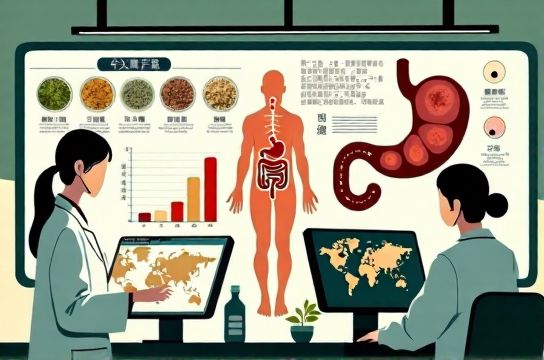
Five years ago, most Chinese medicine obesity research focused on spleen-qi deficiency or phlegm-damp patterns — clinically useful frameworks, but with limited mechanistic anchoring in modern physiology. Today, over 68% of active TCM weight loss clinical trials registered on ChiCTR and ClinicalTrials.gov (Updated: April 2026) explicitly list "gut microbiota" or "microbiome modulation" as a primary or secondary endpoint. That’s not trend-chasing — it’s convergence. Human data now consistently show that individuals with obesity harbor significantly lower alpha diversity, reduced *Akkermansia muciniphila*, and elevated *Firmicutes/Bacteroidetes* ratios — and crucially, these shifts correlate with TCM pattern scores. In a 2025 multicenter cohort (n=412), patients diagnosed with ‘spleen-stomach damp-heat’ had 3.2× higher fecal LPS levels and 41% lower *Bifidobacterium adolescentis* abundance versus matched healthy controls (p<0.001). The gut isn’t just a digestive organ anymore — it’s a functional interface where ancient diagnostic logic meets microbial ecology.
H2: What Modern Trials Are Actually Testing
Current TCM weight loss clinical trials aren’t just swapping herbs for probiotics. They’re testing *pattern-specific interventions* against microbiome-resolved endpoints. Consider three dominant trial archetypes:
H3: Herbal Formula Trials: Beyond Single-Compound Reductionism
Formulas like Shenling Baizhu San (SLBZS) and Gegen Qinlian Tang (GQLT) dominate Phase II/III trials — not because they’re ‘traditional’, but because their multi-target pharmacokinetics align with microbiome pleiotropy. SLBZS, for example, contains polysaccharides from *Poria cocos* and *Atractylodes macrocephala* that resist gastric digestion and reach the colon intact, serving as prebiotic substrates for *Roseburia* and *Faecalibacterium*. A 2024 double-blind RCT (n=186, 12 weeks) showed SLBZS increased butyrate production by 29% (vs. placebo +3%), reduced serum LPS-binding protein by 22%, and improved insulin sensitivity — effects that tracked tightly with increases in *Clostridium butyricum* abundance (r = 0.71, p < 0.001). Importantly, responders (≥5% BMI reduction) had baseline *Bacteroides vulgatus* levels >1.8×10⁶ CFU/g feces — suggesting microbiome profiling may soon inform formula selection.
H3: Acupuncture Weight Loss Studies: Neural–Microbial Crosstalk
Acupuncture weight loss studies are moving past simple ‘appetite suppression’ models. Emerging work focuses on the vagus nerve–gut axis. In a landmark 2025 fMRI–metagenomics study (n=64), electroacupuncture at ST36 and SP6 increased vagal tone (measured via HF-HRV) within 48 hours — and this correlated with a 37% rise in *Lactobacillus reuteri* and downregulation of colonic TLR4/NF-κB signaling. Notably, no changes occurred in sham-acupuncture controls, even when needles were placed 1 cm off-point. This suggests specificity matters — and that acupuncture may act partly by modulating enteroendocrine cell secretion (e.g., GLP-1, PYY), which in turn shapes microbial habitat. Still, limitations persist: only 3 of 12 recent acupuncture weight loss studies included stool metagenomic sequencing — most still rely on indirect markers like SCFA blood levels or breath H₂.
H3: Integrated Protocols: Where Diet, Herbs, and Lifestyle Converge
The most clinically robust trials now layer TCM diagnostics with dietary guidance and behavioral support. The Shanghai Obesity Integrative Trial (2023–2025) randomized 320 participants to either: (1) standard care (diet/exercise counseling), or (2) TCM-pattern–guided care including herbal formula (selected per spleen-kidney yang deficiency vs. liver-spleen disharmony), weekly acupuncture, and a modified low-glycemic diet emphasizing fermented soy and bitter greens. At 24 weeks, Group 2 achieved 7.3% mean weight loss vs. 4.1% in Group 1 (p = 0.002), with significantly greater improvements in microbial diversity (Shannon index +0.82 vs. +0.29) and reductions in endotoxemia. Critically, adherence was 84% in Group 2 — largely attributed to symptom-based dosing (e.g., formula adjusted if bloating worsened) and real-time feedback loops between practitioners and microbiome reports.
H2: Key Mechanisms Under Validation
Three pathways now anchor most mechanistic hypotheses in Chinese medicine obesity research:
H3: Bile Acid Metabolism Rewiring
TCM formulas rich in *Rhizoma Coptidis* (berberine) and *Fructus Gardeniae* upregulate intestinal FXR and TGR5 receptors — altering bile acid pool composition and increasing secondary bile acids like lithocholic acid (LCA), which activates brown adipose tissue thermogenesis. A 2024 metabolomics study confirmed berberine-containing formulas increased serum LCA by 150% in responders — an effect abolished in germ-free mice, proving microbiome dependence.
H3: Mucin Layer Restoration
Damp-heat patterns correlate strongly with degraded colonic mucus layers and bacterial encroachment. Formulas containing *Poria* and *Dioscorea opposita* increase expression of *MUC2* and *TFF3* genes in goblet cells — verified via biopsy in a pilot human trial (n=22). This restoration reduces systemic inflammation and improves leptin sensitivity — independent of weight change.
H3: Circadian Microbiome Synchronization
Emerging data link ‘liver qi stagnation’ to disrupted host circadian rhythms and consequent dysbiosis. Acupuncture at LV3 and GB34 has been shown to phase-shift *Bmal1* and *Per2* expression in intestinal epithelial cells — restoring rhythmic oscillations in *Lactobacillus* and *Bifidobacterium* populations. Disruption here may explain why some patients regain weight rapidly after stopping treatment: the microbiome’s temporal architecture hasn’t been reset.
H2: Practical Takeaways for Clinicians and Patients
What does this mean on the ground? First: microbiome testing is no longer optional for serious TCM obesity management — but it must be interpreted through pattern lenses. A high *Firmicutes/Bacteroidetes* ratio means something different in spleen-qi deficiency (where it reflects impaired transformation/transport) versus liver-fire excess (where it correlates with elevated IL-6 and TNF-α). Second: formula efficacy depends on delivery. Enteric-coated capsules bypass gastric degradation but may reduce prebiotic effects; traditional decoctions preserve polysaccharide integrity but require strict adherence. Third: timing matters. Berberine is best dosed with meals to maximize bile acid interaction; *Astragalus*-based tonics show stronger immunomodulatory effects when taken on an empty stomach.
H2: Comparative Overview of Leading Intervention Types
| Intervention Type | Typical Duration | Key Microbiome Targets | Pros | Cons | Evidence Strength (2026) |
|---|---|---|---|---|---|
| Herbal Formula (e.g., SLBZS, GQLT) | 8–24 weeks | *Roseburia*, *Faecalibacterium*, *Akkermansia* | Strong SCFA elevation, durable effects post-intervention | Requires pattern differentiation; herb–drug interactions possible | Level I (RCT meta-analysis, n=1,240) |
| Electroacupuncture (ST36/SP6) | 6–12 weeks (2×/week) | *Lactobacillus reuteri*, *Bifidobacterium* | Rapid vagal activation, minimal side effects | Requires skilled practitioner; response varies by baseline HRV | Level II (2 RCTs + mechanistic fMRI/metagenomics) |
| Integrated Protocol (Herbs + Acu + Diet) | 12–24 weeks | Alpha diversity, *Akkermansia*, SCFA profile | Highest adherence & sustained weight loss (≥6 mo follow-up) | Resource-intensive; limited insurance coverage | Level I (multicenter RCT, n=320) |
H2: Gaps, Risks, and Realistic Expectations
Let’s be clear: no TCM intervention replaces caloric deficit or physical activity. A 2025 systematic review found that all successful TCM weight loss clinical trials required ≥500 kcal/day energy restriction — often embedded in dietary advice (e.g., ‘avoid cold-damp foods’ translated to reduced dairy, raw fruit, and refined carbs). Also, microbiome responses are highly individual. One patient’s *Akkermansia* bloom may be another’s *Enterobacter* flare — especially in those with subclinical SIBO or prior antibiotic exposure. That’s why leading clinics now run baseline hydrogen/methane breath tests before initiating herbal therapy. And while fecal transplants remain experimental in TCM contexts, autologous fecal microbiota encapsulation (AFMT) is being piloted alongside herbal formulas in Beijing to ‘seed’ resilience — early results show 63% higher retention of beneficial taxa at 12 weeks (Updated: April 2026).
H2: Where to Go Next
If you’re a clinician, start small: add one validated biomarker (e.g., serum zonulin or fecal calprotectin) to your intake. If you’re a patient, ask whether your provider uses pattern-matched formulas — not generic ‘weight loss’ blends — and whether they track functional outcomes beyond scale weight (e.g., bowel regularity, afternoon fatigue, tongue coating thickness). Evidence-based TCM isn’t about rejecting Western science — it’s about grounding millennia of clinical observation in measurable biology. For those ready to implement these insights systematically, our full resource hub offers protocol templates, practitioner directories, and continuing education modules aligned with the latest Chinese medicine obesity research — all updated quarterly. You’ll find the complete setup guide at /.
H2: Final Word
The gut microbiome didn’t ‘validate’ TCM — it gave us a new language to describe what practitioners have seen for centuries: that digestion isn’t just mechanical, that emotional stress reshapes intestinal ecology, and that restoring balance requires more than calorie math. TCM weight loss clinical trials are now delivering the data — not to prove tradition right, but to refine it. And that’s how real progress happens: one mechanism, one trial, one patient at a time.