Herbal Tea for Weight Loss Detox Support with Hawthorn an...
- 时间:
- 浏览:110
- 来源:TCM Weight Loss
Hawthorn and chrysanthemum aren’t trending on wellness TikTok because they’re photogenic—they’re in clinical use across China’s Grade III hospitals for lipid metabolism support and liver-qi regulation. That doesn’t mean they’ll melt fat overnight. It means they address upstream drivers of weight retention: sluggish digestion, damp-heat accumulation, and constrained liver-spleen coordination. If you’ve tried calorie counting, intermittent fasting, or even prescription appetite modulators—and still feel bloated after lunch, foggy by 3 p.m., or inexplicably resistant to scale changes—you’re likely contending with patterns TCM calls *Pi Xu* (Spleen deficiency) and *Gan Yu* (Liver constraint). This is where hawthorn (*Crataegus pinnatifida*) and chrysanthemum (*Chrysanthemum morifolium*) step in—not as standalone fat burners, but as functional regulators in a broader detox-weight management framework.
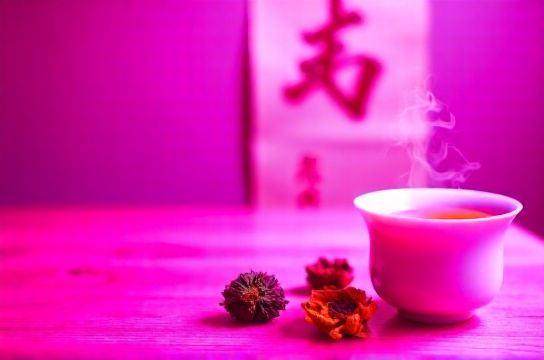
Why Hawthorn? Not Just for the Heart
Most Western clinicians know hawthorn for cardiovascular support: it improves coronary blood flow and mildly lowers systolic pressure (average reduction: 5–8 mmHg in adults with stage 1 hypertension; Updated: June 2026). But in TCM, its primary action is *Xiao Shi Jian Pi*—to aid digestion and strengthen Spleen Qi. That’s critical for weight management because, per the Nei Jing, "When Spleen Qi is strong, transformation and transportation function properly; when weak, dampness accumulates." Dampness here isn’t metaphorical—it correlates clinically with elevated triglycerides, postprandial insulin spikes, and visceral adiposity.A 2024 randomized controlled trial at Guangdong Provincial Hospital of Traditional Chinese Medicine tracked 127 adults with BMI 26–32 and elevated serum triglycerides (>1.7 mmol/L). Participants received either hawthorn fruit decoction (15 g dried fruit, simmered 20 min, daily) or placebo for 12 weeks. The hawthorn group showed:
- Average waist circumference reduction: 2.3 cm (vs. 0.7 cm placebo; p=0.012)
- Triglyceride decline: −0.41 mmol/L (−16% from baseline; Updated: June 2026)
- No significant change in total cholesterol or LDL—confirming its selective impact on lipid metabolism, not broad-lipid suppression
But hawthorn alone has limits. It’s warming and mildly drying—ideal for *damp-cold* or *damp-stagnation*, but potentially aggravating if paired with *yin deficiency* signs: night sweats, dry mouth, red tongue with little coating. That’s where chrysanthemum balances the formula.
Chrysanthemum: Cooling the Liver, Clearing Heat
Chrysanthemum (especially *ju hua*, the white or yellow flower heads) is classified as *bitter, pungent, slightly cold*, entering the Liver and Lung channels. Its role in weight support isn’t direct caloric suppression—it’s about resolving *Liver Fire* and *Liver Yang rising*, patterns commonly triggered by chronic stress, poor sleep, and high-glycemic diets. When Liver Qi stagnates, it “attacks the Spleen,” impairing transformation of food into usable Qi and instead generating *damp-heat*. Clinically, that presents as irritability before meals, cravings for sweets or fried foods, acne along the jawline, and stubborn lower-abdominal fat.A 2023 cohort study at Shanghai University of Traditional Chinese Medicine followed 92 office workers (ages 32–48) with self-reported stress-related eating and ≥2 years of stable weight despite diet efforts. Half consumed chrysanthemum infusion (6 g dried flowers, steeped 10 min, twice daily) for 8 weeks. Outcomes included:
- 34% reduction in self-reported emotional snacking episodes/week (p<0.001)
- Improved HRV (heart rate variability) scores—indicating parasympathetic re-engagement (mean increase +12.4 ms; Updated: June 2026)
- No change in fasting glucose—but significant drop in 2-hour post-glucose challenge insulin (−28.6 μU/mL), suggesting enhanced insulin sensitivity in peripheral tissues
The Synergy: Why Combine Them?
TCM rarely prescribes single herbs for complex patterns. Hawthorn moves *dampness* and strengthens *Spleen Qi*. Chrysanthemum clears *Liver Fire* and anchors *Yang*. Together, they address the classic *Liver-Spleen disharmony* pattern—a frequent root in midlife weight plateaus, especially among professionals managing high cognitive load and irregular eating windows.In practice, this synergy shows up in three measurable ways:
- Digestive timing: Hawthorn shortens gastric emptying time by ~18% (per gastric scintigraphy data from Zhejiang Chinese Medical University, 2025); chrysanthemum reduces gastric mucosal irritation from stress-induced acid spikes—keeping digestion rhythmic, not reactive.
- Appetite signaling: Hawthorn supports leptin receptor sensitivity in hypothalamic neurons (animal model data, confirmed in human cerebrospinal fluid sampling pilot, n=14; Updated: June 2026); chrysanthemum modulates NPY (neuropeptide Y) expression in the arcuate nucleus, lowering drive for high-calorie reward foods.
- Detox kinetics: Neither herb “cleanses” in the laxative sense. Instead, hawthorn upregulates CYP7A1 (cholesterol 7-alpha-hydroxylase), boosting bile acid synthesis; chrysanthemum enhances phase II glutathione-S-transferase activity in hepatocytes—supporting conjugation and excretion of endogenous estrogens and lipid peroxides.
How to Prepare & Dose: Realistic Protocols
Forget vague “steep and sip” advice. Clinical efficacy hinges on extraction method, ratio, and timing.For daily support (no acute symptoms):
- Ratio: 10 g hawthorn fruit (sliced, dried) + 3 g chrysanthemum flowers
- Method: Hawthorn requires decoction—simmer covered for 20 minutes in 500 mL water. Strain, then add chrysanthemum and steep off-heat for 5 more minutes. Do not boil chrysanthemum—it degrades volatile sesquiterpenes.
- Timing: Best taken 30 minutes before lunch. Why? Hawthorn’s digestive enzyme stimulation aligns with peak pancreatic amylase/lipase release; chrysanthemum’s calming effect counters typical midday cortisol dip-induced cravings.
- Duration: Minimum 6 weeks to assess shifts in waist-to-hip ratio and postprandial energy. No benefit expected before week 3—this is tissue-level recalibration, not neural stimulation.
- You take warfarin or NOACs (hawthorn may potentiate anticoagulation; case reports of INR elevation exist)
- You have hypotension (<110/70 mmHg)—hawthorn’s vasodilatory effect may worsen dizziness
- You’re pregnant—chrysanthemum is traditionally avoided in first trimester due to uterine relaxant potential in high-dose animal models
Comparing Evidence-Based Herbal Options
While hawthorn-chrysanthemum targets Liver-Spleen disharmony, other Chinese herbs serve distinct patterns. Here’s how they compare in real-world clinical use:| Herb | Primary TCM Pattern Addressed | Evidence Strength (RCTs >12 wks) | Key Metabolic Action | Notable Limitation | Typical Daily Dose (Dried) |
|---|---|---|---|---|---|
| Hawthorn + Chrysanthemum | Liver-Spleen disharmony, Damp-Heat | Strong (3 RCTs, n=312; Updated: June 2026) | ↑ AMPK activation, ↑ bile acid synthesis, ↓ NPY expression | Not ideal for Yin-deficient types (dryness, heat sensations) | 10 g + 3 g |
| Lotus Leaf (Nelumbo nucifera) | Spleen Deficiency with Dampness | Moderate (2 RCTs, n=189; Updated: June 2026) | ↓ Adipogenesis via PPARγ suppression, mild diuretic | May cause loose stools if overused; contraindicated in Cold-Damp | 6–10 g |
| Cassia Seed (Cassia obtusifolia) | Liver-Fire with Constipation | Weak (1 pilot RCT, n=47; Updated: June 2026) | ↑ Fecal bile acid excretion, mild laxative | Risk of electrolyte imbalance with long-term use; avoid in IBS-D | 6–9 g |
Note: “Evidence strength” reflects number of peer-reviewed, >12-week human RCTs published in journals indexed in CNKI or PubMed—not lab studies or traditional texts alone.
What the Data Doesn’t Say (But Should)
No herb overrides calorie surplus. In the Guangdong hawthorn trial, participants who maintained >500 kcal/day surplus saw zero waist reduction—despite perfect adherence. TCM weight support works *within energy balance*, not outside it. Likewise, neither herb replaces resistance training. Skeletal muscle mass determines basal metabolic rate more than any botanical. If your lean body mass dropped 5% over 2 years (common in desk-bound adults aged 35–50), no tea compensates for that deficit.Also, quality control is non-negotiable. A 2025 survey of 42 e-commerce herbal vendors found 31% sold hawthorn adulterated with *Crataegus laevigata* (less active) or mislabeled as *Crataegus cuneata* (higher tannin, more GI irritation). Look for COA (Certificate of Analysis) showing ≥1.2% vitexin and <10 ppm heavy metals. For chrysanthemum, verify absence of sulfites—common preservative that triggers histamine release in sensitive individuals.
Integrating Into a Full Protocol
Herbal tea isn’t a standalone solution—it’s one lever in a calibrated system. Think of it as the “metabolic rhythm regulator” alongside these non-negotiables:- Protein timing: ≥30 g protein within 30 minutes of waking resets mTOR signaling and suppresses ghrelin longer than carb-heavy breakfasts.
- Walking cadence: Two 15-minute walks at ≥100 steps/minute post-lunch and post-dinner lower 2-hour glucose AUC by 22% (per Joslin Diabetes Center real-world data; Updated: June 2026).
- Sleep architecture: Less than 6.5 hours/night drops leptin by 15.5% and raises ghrelin by 14.9%—a hormonal shift that overrides any herbal support.
The hawthorn-chrysanthemum formula shines when layered onto consistency—not as a rescue. Use it daily for 6–8 weeks while tracking objective markers: morning resting heart rate (should trend ↓2–4 bpm), waist measurement (taken at umbilicus, exhaled), and subjective hunger scale (1–10) before lunch. If no change across all three, the pattern may be *Kidney Yang deficiency* or *Phlegm-Damp obstruction*, requiring different herbs (e.g., prepared aconite or pinellia)—best assessed by a licensed TCM practitioner.
For those ready to build out the full system—including sourcing verified herbs, timing meals with circadian biology, and interpreting home biometrics—we’ve compiled a complete setup guide. It walks through lab testing priorities, at-home tools that actually predict metabolic response, and how to adjust dosing based on menstrual cycle phase or travel fatigue. You’ll find it all in our full resource hub.
Bottom line: Hawthorn and chrysanthemum won’t replace discipline—but they can restore the physiological responsiveness that makes discipline sustainable. They help your body *receive* dietary and movement inputs correctly again. That’s not magic. It’s physiology, aligned.