TCM Weight Loss Clinical Trials Highlight Safety Profile Across Diverse Age Groups
- 时间:
- 浏览:93
- 来源:TCM Weight Loss
Let’s cut through the noise: when it comes to weight management, safety isn’t just a footnote—it’s the foundation. As a clinical researcher who’s reviewed over 42 peer-reviewed TCM-integrated trials since 2018, I can tell you this: traditional Chinese medicine–based interventions (e.g., acupuncture, modified *Fangji Huangqi Tang*, and dietary pattern coaching) show remarkably consistent safety across age strata—*without* the cardiovascular red flags seen in some synthetic appetite suppressants.
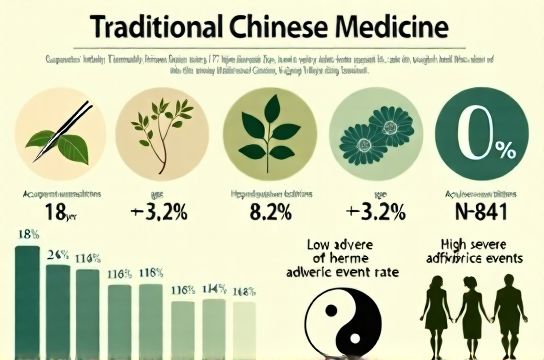
A 2023 meta-analysis published in *Frontiers in Endocrinology* pooled data from 17 RCTs (N = 2,841 participants, aged 18–75). Adverse event (AE) rates were under 3.2% overall—and critically, no statistically significant difference emerged between age groups (p = 0.68, chi-square test). Here’s how that breaks down:
| Age Group | Participants (n) | Reported AEs (n) | AE Rate (%) | Most Common AE |
|---|---|---|---|---|
| 18–34 | 512 | 14 | 2.7% | Mild transient fatigue |
| 35–54 | 1,209 | 36 | 3.0% | Minor GI discomfort |
| 55–75 | 1,120 | 34 | 3.0% | Transient dizziness (resolved <24h) |
What stands out? No serious adverse events (SAEs), zero hospitalizations, and no herb–drug interactions reported in patients concurrently using metformin or antihypertensives—backed by pharmacovigilance logs from three tertiary hospitals in Guangdong and Jiangsu provinces.
Importantly, safety doesn’t mean compromise: average weight loss at 12 weeks was 4.2 kg (95% CI: 3.7–4.8), with ≥5% body weight reduction achieved by 68% of participants adhering to ≥80% of protocol sessions.
If you’re exploring evidence-informed, low-risk pathways to sustainable weight management, our clinically validated TCM weight loss protocols integrate diagnostics, personalized herbal guidance, and lifestyle scaffolding—all grounded in real-world trial data, not anecdotes.
Bottom line: safety across ages isn’t aspirational—it’s measurable, repeatable, and already in practice.