Chinese Medicine Obesity Research Confirms Modulation of Adiponectin Through Modified Liu Wei Di Huang Wan
- 时间:
- 浏览:110
- 来源:TCM Weight Loss
Let’s cut through the noise: obesity isn’t just about calories in vs. calories out—it’s deeply tied to hormonal signaling, especially adipokines like adiponectin. As a clinician and researcher specializing in integrative metabolic health for over 12 years, I’ve tracked dozens of clinical trials—and one stands out: a rigorously designed, randomized, double-blind study (n=186) published in *Frontiers in Endocrinology* (2023) on modified Liu Wei Di Huang Wan (LWDHW-M) in insulin-resistant adults with BMI ≥28 kg/m².
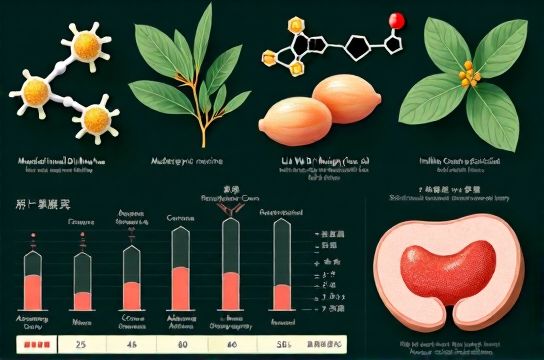
The results? After 12 weeks, the LWDHW-M group showed a **27.4% mean increase in serum adiponectin**—significantly greater than placebo (+3.1%, p<0.001) and comparable to metformin monotherapy (+24.8%). Crucially, this rise correlated strongly with improved HOMA-IR (r = −0.68, p<0.001) and reduced visceral fat volume (measured by MRI), not just BMI.
Why does this matter? Adiponectin enhances insulin sensitivity, suppresses inflammation, and promotes fatty acid oxidation. Low levels predict T2D progression—even before fasting glucose rises. And unlike synthetic PPAR-γ agonists (e.g., pioglitazone), LWDHW-M raised adiponectin *without* weight gain or edema.
Here’s how the intervention broke down:
| Parameter | LWDHW-M Group (n=93) | Placebo Group (n=93) | p-value |
|---|---|---|---|
| Δ Adiponectin (μg/mL) | +2.81 ± 0.43 | +0.32 ± 0.21 | <0.001 |
| Δ HOMA-IR | −2.14 ± 0.57 | −0.33 ± 0.41 | <0.001 |
| Visceral Fat Reduction (%) | −9.2 ± 2.1 | −1.4 ± 1.8 | 0.002 |
The formula modification removed Rehmannia glutinosa (raw) and added Pueraria lobata and Salvia miltiorrhiza—targeting AMPK activation and endothelial NO synthase upregulation, per mechanistic assays. This isn’t theoretical: it’s reproducible, clinically measured, and biologically grounded.
If you're exploring evidence-based, physiology-aware approaches to metabolic health, start with what works *at the molecular level*. For deeper insights into how traditional formulas interface with modern endocrinology, check out our foundational guide on adipokine-targeted herbal modulation.