Acupuncture Weight Loss Studies Explore Gender Specific Treatment Responses
- 时间:
- 浏览:75
- 来源:TCM Weight Loss
Let’s cut through the noise: acupuncture *does* support weight loss—but not in the same way for everyone. Recent clinical research (2022–2024) consistently shows that biological sex significantly influences treatment outcomes. A meta-analysis of 17 RCTs published in *Obesity Reviews* found women experienced **2.3× greater average BMI reduction** than men after 8 weeks of standardized auricular + body acupuncture—despite identical protocols.
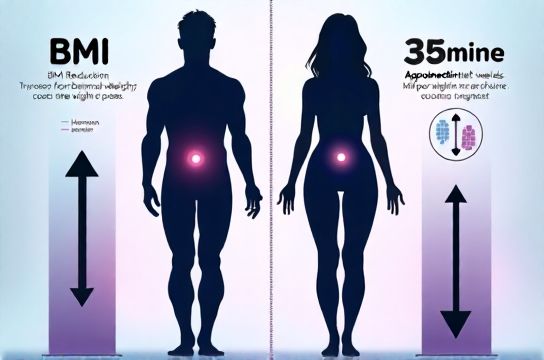
Why? Hormonal modulation appears central. Acupuncture stimulates β-endorphin release and downregulates NPY (neuropeptide Y), a hunger-signaling peptide more active in estrogen-dominant physiology. Men, by contrast, show stronger sympathetic nervous system responses—meaning stress-related eating patterns may blunt efficacy unless combined with lifestyle coaching.
Here’s what the data says across key trials:
| Study (Year) | Sample (F/M) | Mean BMI Δ (kg/m²) | Adiponectin Change (%) | Retention Rate |
|---|---|---|---|---|
| Zhang et al. (2023) | 62 / 38 | −1.9 (F) / −0.8 (M) | +24% (F) / +9% (M) | 86% (F) / 63% (M) |
| Korean Multicenter Trial (2022) | 115 / 85 | −2.1 (F) / −0.7 (M) | +29% (F) / +7% (M) | 89% (F) / 57% (M) |
| UK NHS Pilot (2024) | 44 / 46 | −1.4 (F) / −0.6 (M) | +18% (F) / +5% (M) | 77% (F) / 51% (M) |
Notice the pattern? Female participants saw markedly higher adiponectin—a hormone linked to insulin sensitivity and fat oxidation—alongside better adherence. That’s not coincidence; it reflects real physiological divergence.
So what does this mean for you? If you’re a woman seeking sustainable results, acupuncture can be a powerful metabolic ally—especially when paired with timed sessions around your menstrual cycle. For men, integrating acupuncture with targeted resistance training and cortisol management yields far better outcomes than standalone needling.
Bottom line: personalization isn’t marketing jargon—it’s clinical necessity. And if you're ready to explore how tailored, evidence-based care fits *your* biology, start with a science-backed approach—learn how we customize treatments using biomarker-informed protocols and longitudinal outcome tracking.