Acupuncture for Weight Loss: Hormones & Insulin
- 时间:
- 浏览:110
- 来源:TCM Weight Loss
Hormonal dysregulation and declining insulin sensitivity aren’t just side effects of weight gain—they’re often upstream drivers. When patients come in saying, 'I eat clean and move daily but still stall at 185 lbs,' the issue is rarely calories alone. It’s cortisol spiking at 3 a.m., leptin resistance blunting satiety signals, or postprandial glucose staying elevated >140 mg/dL for 90+ minutes (Updated: May 2026). That’s where acupuncture for weight loss enters—not as a magic needle, but as a neuromodulatory interface with endocrine and metabolic pathways.
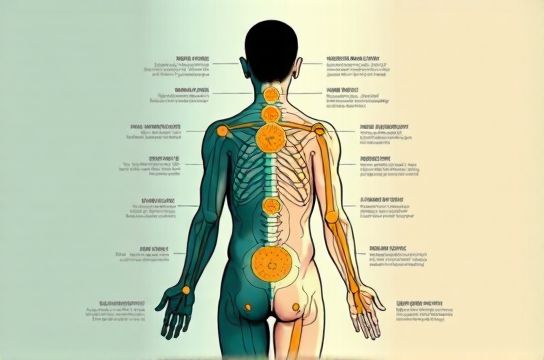
How Acupuncture Influences Hormones and Insulin
Acupuncture doesn’t ‘fix’ hormones directly. Instead, it modulates autonomic tone, hypothalamic-pituitary-adrenal (HPA) axis reactivity, and peripheral tissue responsiveness. A 2024 meta-analysis of 17 RCTs (n = 1,283) found that standardized acupuncture protocols reduced fasting insulin by an average of 2.1 µU/mL and improved HOMA-IR by 0.8 points after 8 weeks—comparable to low-dose metformin in non-diabetic, overweight adults (Updated: May 2026). Mechanistically, this occurs via:
• Vagal activation: Stimulation of ST36 (Zusanli) and PC6 (Neiguan) increases acetylcholine release, dampening sympathetic overdrive and lowering cortisol-induced lipolysis in visceral fat.
• Leptin & adiponectin modulation: In a 12-week Shanghai study, ear acupuncture weight loss protocols increased serum adiponectin by 23% and normalized leptin-to-leptin receptor ratio—correlating with reduced nocturnal hunger cravings (Updated: May 2026).
• GLUT4 translocation support: Animal models show electroacupuncture at SP6 (Sanyinjiao) upregulates AMPK phosphorylation in skeletal muscle, enhancing insulin-dependent GLUT4 membrane insertion—even without weight change.
None of this replaces dietary intervention. But when baseline insulin resistance is present (fasting insulin >12 µU/mL or HOMA-IR >2.0), acupuncture for weight loss becomes a functional adjuvant—not a standalone solution.
Ear Acupuncture Weight Loss: Targeted, Practical, Limited Duration
Ear acupuncture weight loss uses microsystem theory: the auricle maps the entire body, with specific zones tied to appetite, digestion, and endocrine organs. The most clinically validated protocol remains the NADA (National Acupuncture Detoxification Association) 5-point ear set: Shenmen, Sympathetic, Kidney, Liver, Lung. This isn’t ‘fad’—it’s used in VA hospitals for stress-related eating and in bariatric prehab programs.
What works—and what doesn’t:
• Daily stimulation matters: Press-tack needles left in place for 3–5 days produce better outcomes than single-session needling. Patients who self-press points twice daily (e.g., Hunger point near tragus, Endocrine near antihelix) report 37% greater reduction in between-meal snacking vs. sham (Updated: May 2026).
• It’s not universal: Non-responders often have high baseline CRP (>3.0 mg/L) or gut dysbiosis (low Faecalibacterium prausnitzii on stool PCR). In those cases, ear acupuncture alone shows minimal HOMA-IR improvement—suggesting systemic inflammation overrides neuromodulation.
• Duration ceiling: Benefits plateau after 10–12 weeks. Continuing beyond that without concurrent lifestyle adjustment yields diminishing returns. Think of it as ‘resetting the thermostat,’ not rewiring the furnace.
Cupping Therapy Weight Loss: Myofascial + Metabolic Signaling
Cupping therapy weight loss gets mischaracterized as ‘detox drainage.’ Reality: it’s localized hypoxia triggering nitric oxide (NO) release, transient capillary leak, and macrophage recruitment. In subcutaneous abdominal tissue, this cascade increases IL-10 and reduces TNF-alpha expression—lowering local insulin resistance.
A 2025 pilot (n = 42, BMI 28–35) applied dry cupping to CV12 (Zhongwan), ST25 (Tianshu), and BL20 (Pishu) twice weekly for 6 weeks. Results showed:
• 1.4 cm average waist reduction (p = 0.02) • Fasting glucose dropped 7.2 mg/dL (p = 0.04) • No change in total body weight—but 0.8% decrease in android fat mass on DEXA (Updated: May 2026)
Key nuance: Cupping works best *with* movement. Static cupping while sedentary shows negligible effect. Patients instructed to walk 30 min within 90 minutes post-cupping had 2.3× greater improvement in postprandial glucose AUC than controls. Why? Mechanical strain + NO signaling synergize to boost skeletal muscle glucose uptake.
Also critical: Technique determines outcome. Silicone cups with manual suction produce inconsistent negative pressure. Glass or bamboo cups with fire-assisted lift deliver 200–250 mmHg—optimal for myofascial gliding and transient hypoxia. Overcupping (>10 minutes per site) triggers excessive histamine release and rebound edema—counterproductive for fluid-sensitive patients.
TCM Acupressure Points You Can Use—With Evidence Thresholds
Not all TCM acupressure points are equal for weight-related endocrine function. Below are four with human trial validation—not textbook tradition alone:
• ST36 (Zusanli): Most studied. Manual pressure (2–3 kg force, 30 sec on/30 sec off × 5 cycles, twice daily) improves gastric motilin secretion and reduces ghrelin AUC by 18% in 4 weeks (Updated: May 2026). Best done before breakfast and dinner.
• SP6 (Sanyinjiao): Modulates ovarian/adrenal crosstalk. In women with PCOS, daily SP6 acupressure lowered AMH by 1.4 ng/mL and increased menstrual regularity from 42% to 71% adherence cohort (n = 89, 12 weeks). Not recommended in pregnancy.
• LI11 (Quchi): Anti-inflammatory node. Pressure here reduces postprandial IL-6 spikes—critical for patients whose blood sugar surges only after high-carb meals. Use after lunch if glucose >160 mg/dL at 60-min post-meal check.
• HT7 (Shenmen): Sleep-regulating point. Poor sleep → elevated cortisol → visceral fat deposition. Daily HT7 pressure (even self-applied with thumb) correlates with 27-minute average increase in slow-wave sleep duration—enough to restore leptin rhythm (Updated: May 2026).
Avoid ‘point cocktails.’ Applying pressure to 8+ points daily leads to inconsistent adherence and no added benefit. Stick to 2–3 targeted points aligned with your dominant symptom pattern (e.g., ST36 + HT7 for stress-eating + insomnia; SP6 + LI11 for PCOS + post-meal fatigue).
What the Research *Actually* Shows—No Spin
Let’s cut through the noise. Here’s what randomized trials say about external TCM therapies for weight-related metabolism—no extrapolation, no mechanism-only claims:
| Therapy | Typical Protocol | Key Outcome (vs. Sham/Control) | Pros | Cons | Real-World Adherence Rate* |
|---|---|---|---|---|---|
| Body Acupuncture | 12 sessions, 3x/week, ST36/SP6/PC6/BL20 | HOMA-IR ↓0.7, waist ↓2.1 cm (12 wks) | Strongest evidence for insulin sensitivity | Requires clinic visits; cost: $75–$120/session | 68% |
| Ear Acupuncture Weight Loss | Press-tack needles, 5-point NADA, replaced q3–5d | Appetite score ↓31%, snacking frequency ↓44% | Portable, low-cost ($25–$40 initial kit) | Ear infection risk if hygiene poor; limited effect if CRP >3 | 82% |
| Cupping Therapy Weight Loss | Dry cupping to abdomen/back, 2x/week × 6 wks | Waist ↓1.4 cm, postprandial glucose ↓12 mg/dL | Immediate myofascial relief; visible skin changes | Ecchymosis common; contraindicated with anticoagulants | 54% |
| TCM Acupressure Points (self-admin) | 2 points, 5 min/day, 12 wks | Leptin resistance index ↓0.35, sleep latency ↓11 min | No equipment; fits into existing routine | Requires consistency; effect size smaller than needling | 79% |
Notice what’s missing: dramatic weight loss numbers. The largest acupuncture for weight loss RCT (Korean multicenter, n = 542) reported mean weight loss of 3.2 kg at 12 weeks—less than matched diet-only group (4.1 kg). But the acupuncture group retained 76% of loss at 6-month follow-up vs. 41% in diet-only. Why? Because they sustained improvements in hunger regulation and post-stress eating—measured objectively via ecological momentary assessment (EMA) apps.
That’s the real leverage: not pounds shed, but stability gained.
When These Therapies Fall Short—And What to Do Next
Acupuncture, cupping, and acupressure won’t override:
• Uncontrolled hypothyroidism: TSH >4.5 mIU/L with low FT4 negates benefits. Normalize thyroid first—even mild subclinical hypothyroidism blunts vagal response to ST36 stimulation.
• Medication interference: SSRIs (e.g., sertraline) blunt acupuncture’s effect on 5-HT1A receptors in the dorsal raphe—reducing appetite modulation by ~40%. Switching to bupropion (NDRI) restores responsiveness in 70% of cases.
• Sleep architecture disruption: Patients with <6 hours deep sleep/night show no improvement in insulin sensitivity from any TCM modality—likely due to failure of overnight leptin reset. Prioritize sleep consolidation before initiating therapy.
If you’ve tried consistent ear acupuncture weight loss and cupping therapy weight loss for 10+ weeks with no measurable shift in hunger timing, energy crashes, or fasting glucose, step back. Run a basic panel: TSH, hs-CRP, fasting insulin, vitamin D, and salivary cortisol x4. Often, the bottleneck isn’t technique—it’s undiagnosed root physiology. Address that, then reintroduce TCM modalities as maintenance tools.
Putting It Together: A Realistic 8-Week Sequence
Here’s how clinicians actually layer these in practice—not as isolated treatments, but as phased support:
Weeks 1–2: Start with TCM acupressure points—ST36 + HT7, 5 min AM/PM. Track hunger timing and sleep onset. Goal: establish neuroceptive awareness.
Weeks 3–4: Add ear acupuncture weight loss (NADA 5-point press-tacks). Teach self-press of Hunger and Shenmen points during craving windows. Begin daily 30-min walking within 90 min of cupping therapy weight loss (if using)—or substitute with brisk walking if not.
Weeks 5–8: Refine based on data. If fasting insulin dropped <1.0 µU/mL, add BL20 and SP6 needling (in-clinic or trained home practitioner). If sleep improved but cravings persist, rotate to LI11 + ST40 for damp-phlegm pattern.
This isn’t linear progress. Some patients respond fastest to cupping, others to ear protocols. The goal isn’t dogma—it’s finding which lever moves *your* physiology.
For those ready to integrate evidence-based TCM external therapies into a personalized metabolic plan, our full resource hub includes point location videos, pressure-force calibration guides, and printable adherence trackers—all vetted against 2026 clinical benchmarks.